Plant Care
Pots for Indoor Plants: Practical Buying Guide for Homes and Offices
Choose pots for indoor plants with confidence. Compare sizes, drainage, materials, placement needs and online buying checks for Indian homes and offices.
Updated 3 July 2026
Start with the plant, not the pot design
When buying pots for indoor plants, first consider the plant’s root size, watering needs and where it will be placed. Succulents and snake plants need faster drainage, while leafy tropical plants may prefer a slightly more moisture-retentive setup. A beautiful pot that is too large, too small or sealed at the bottom can make care more difficult.
Understanding drainage for indoor use
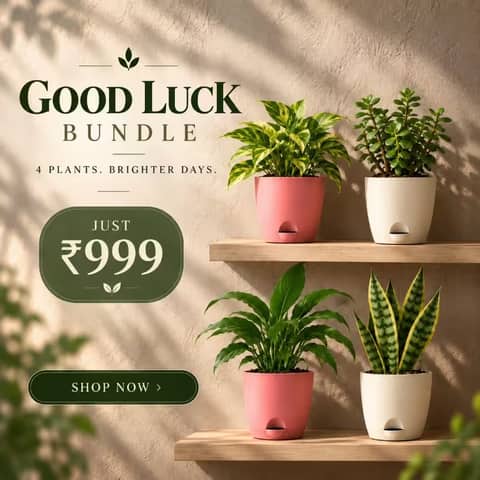
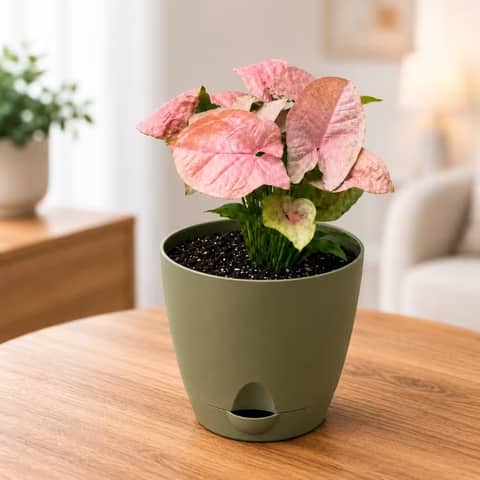
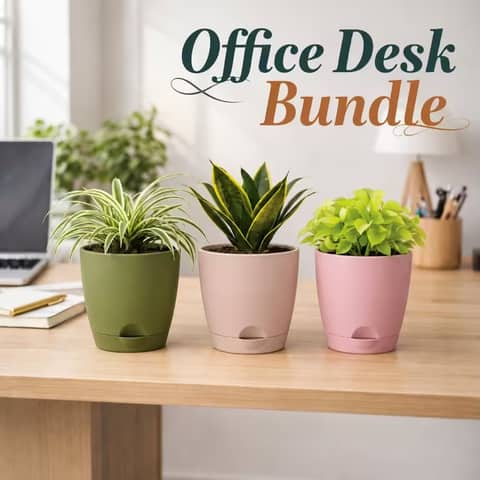
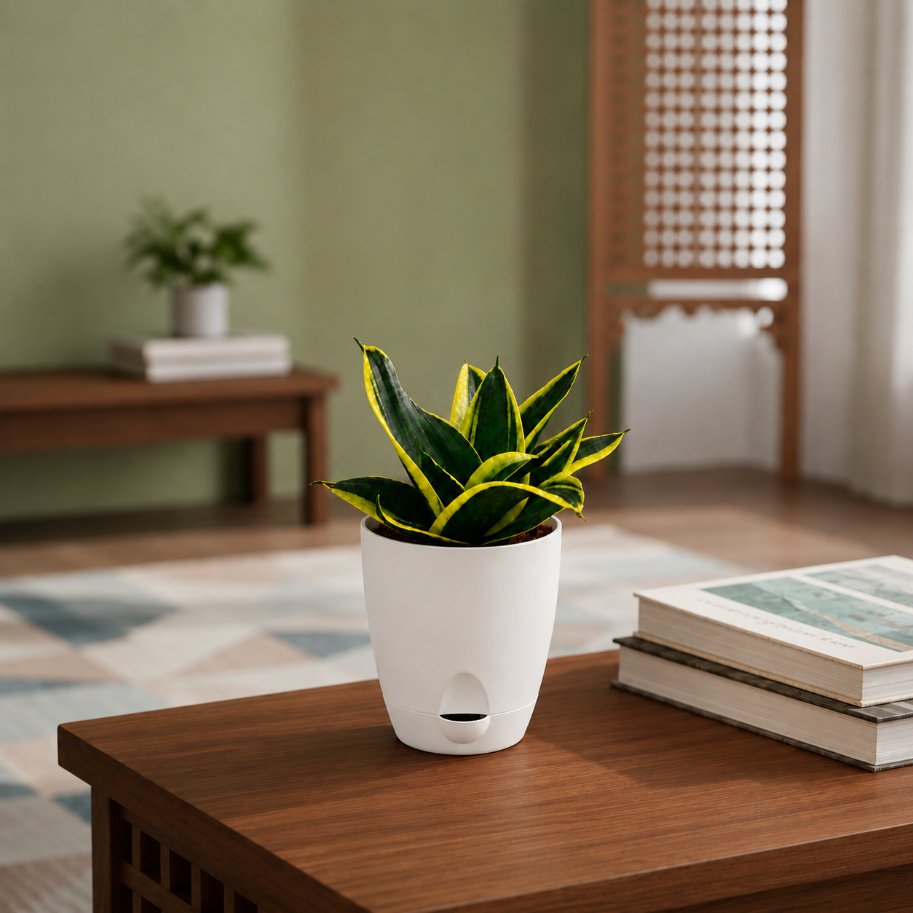
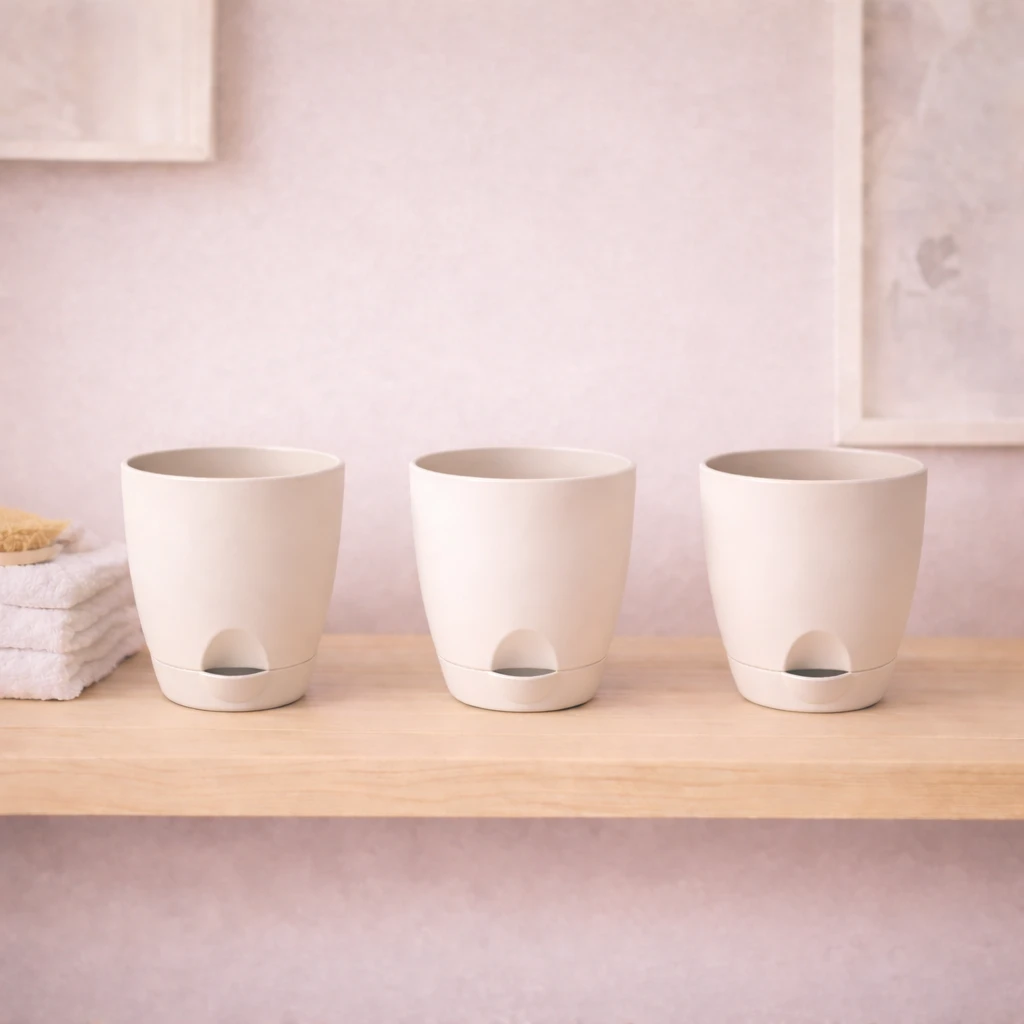
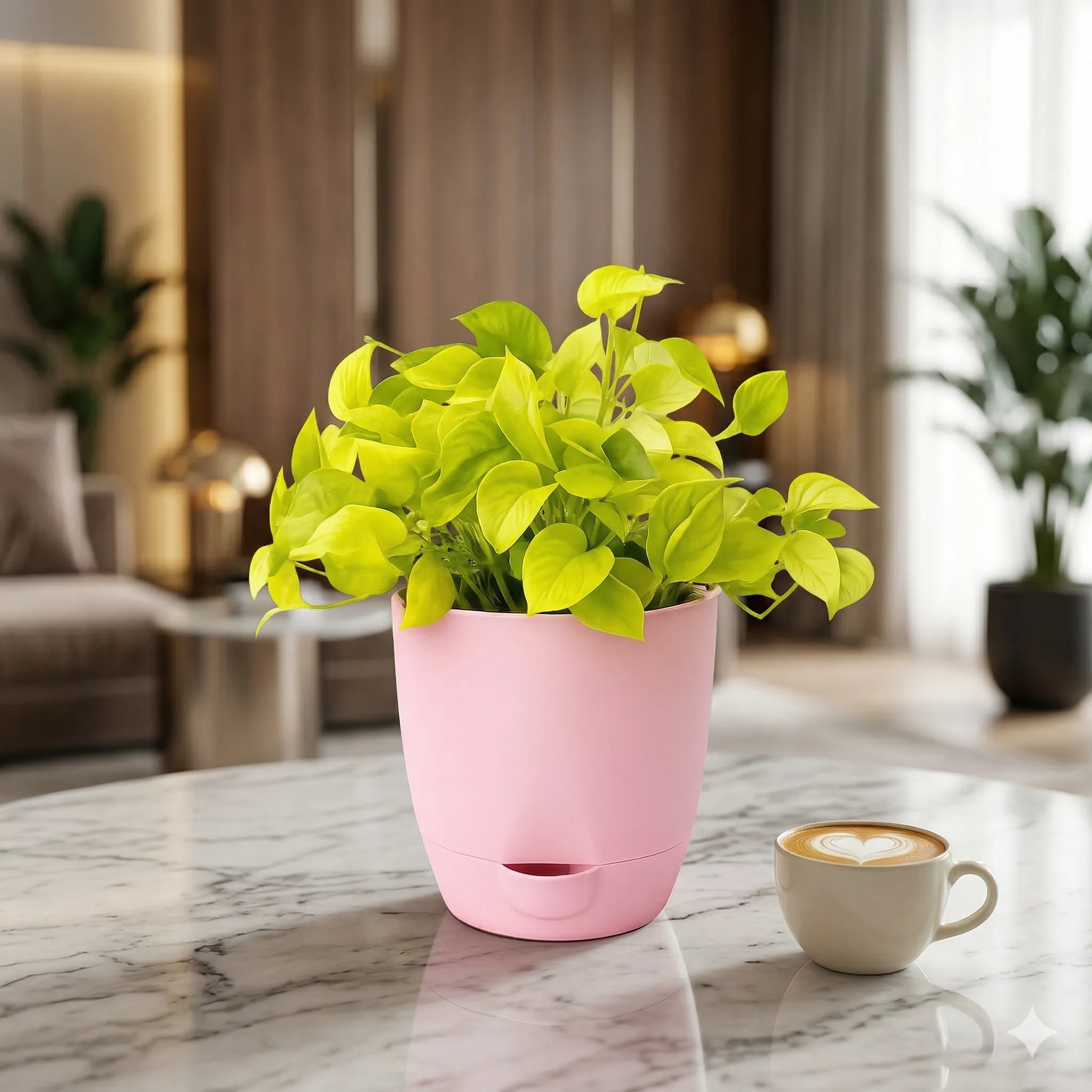
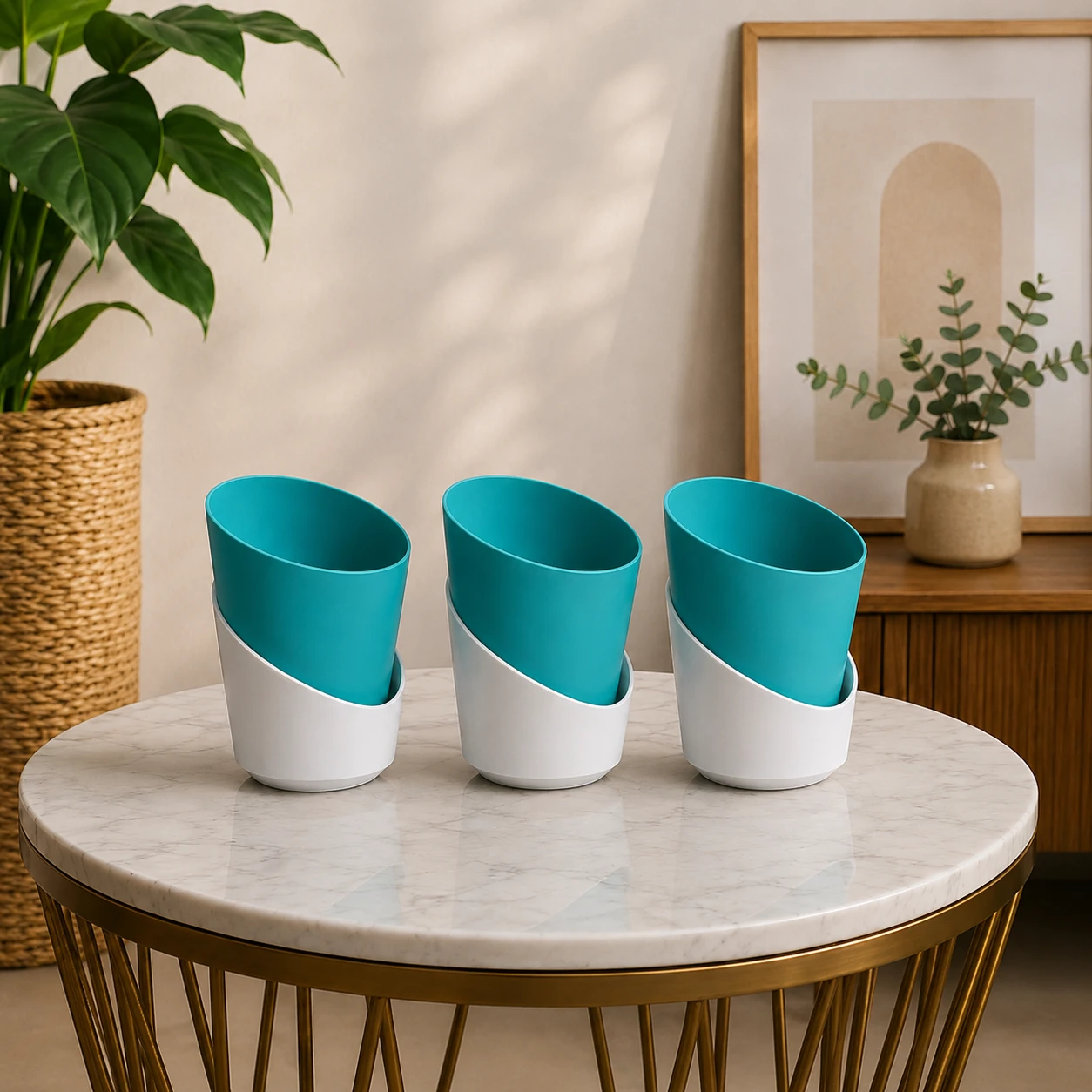
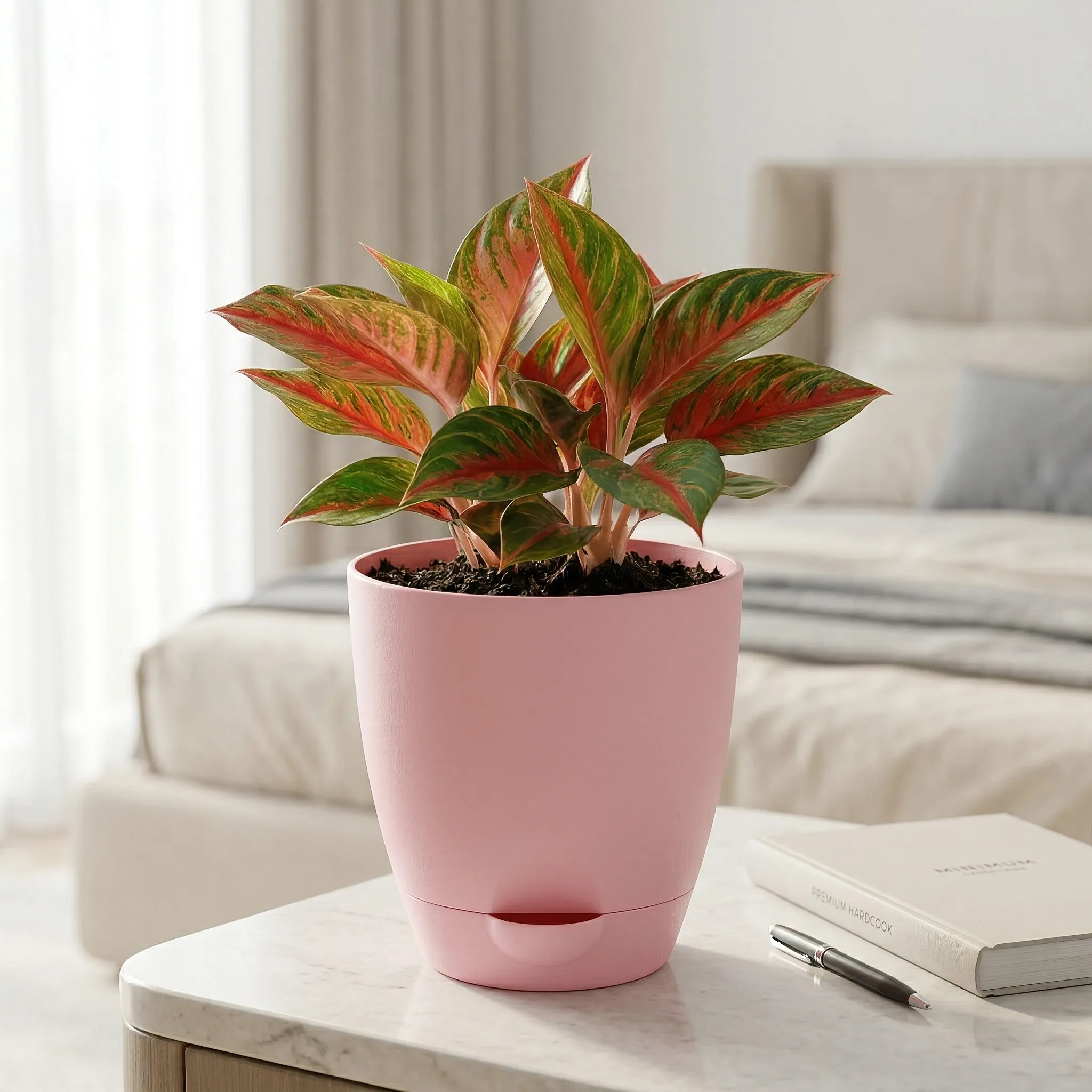
Indoor pots should either have drainage holes with a saucer or be used as decorative outer pots for nursery containers. This is important because excess water can damage roots and also stain shelves, floors or tabletops. If the pot comes with a tray, check whether it fits neatly and is deep enough to catch normal runoff.
Material and placement choices
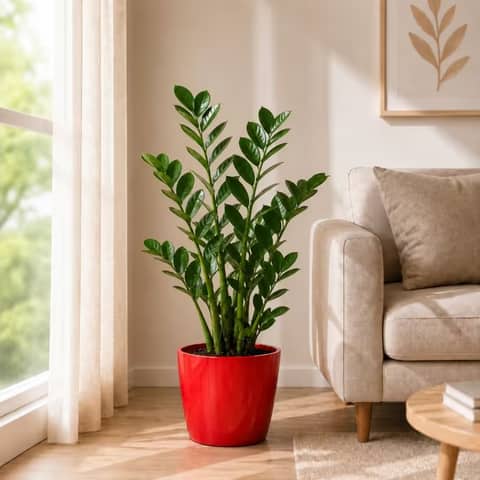
Lightweight pots are convenient for shelves, rented flats and balconies where you move plants often. Heavier pots are better for tall plants, corners with foot traffic or plants with top-heavy growth. For bright windows, also consider heat absorption; dark pots may warm up more than lighter ones in direct sun.
Mistakes to avoid before ordering
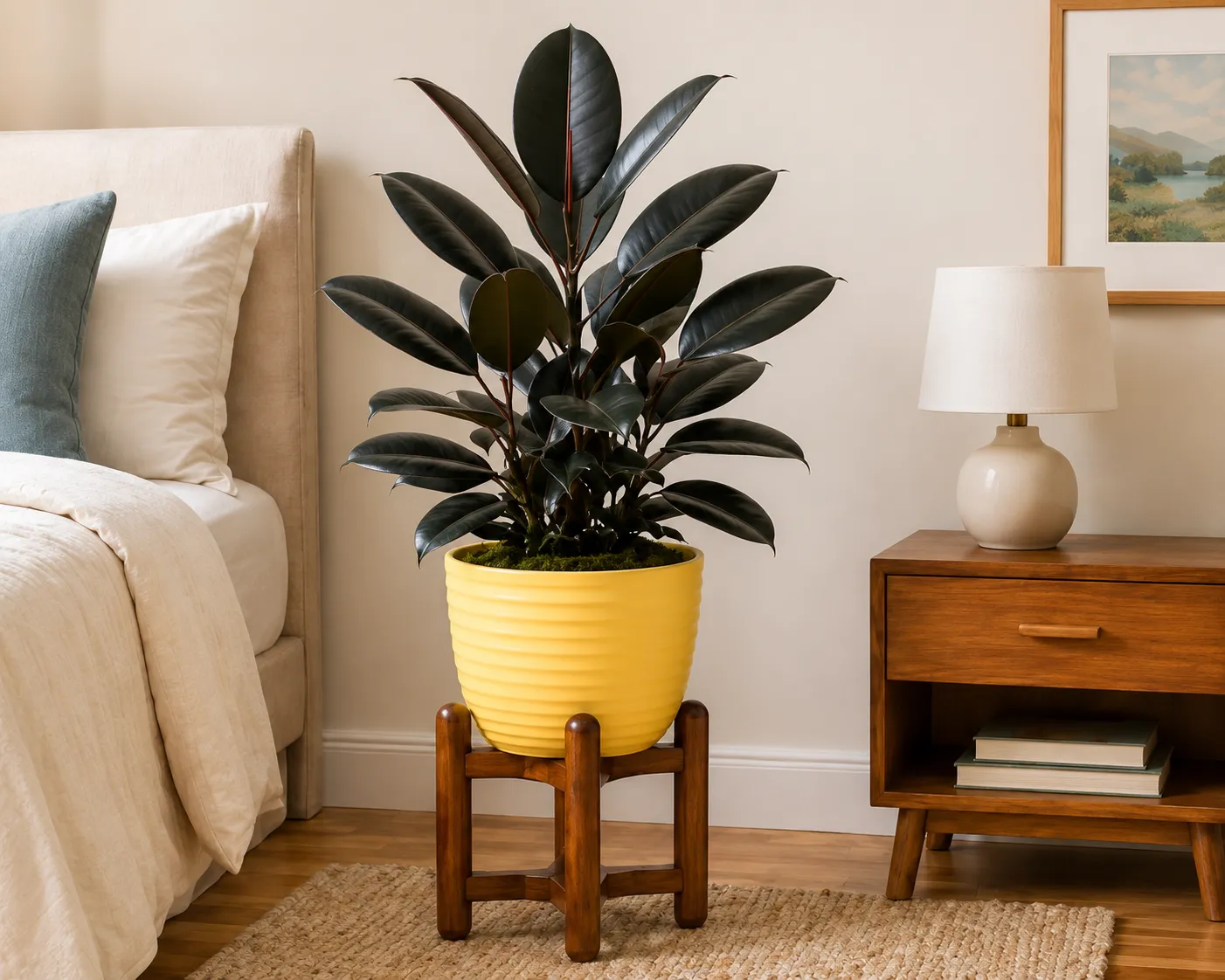
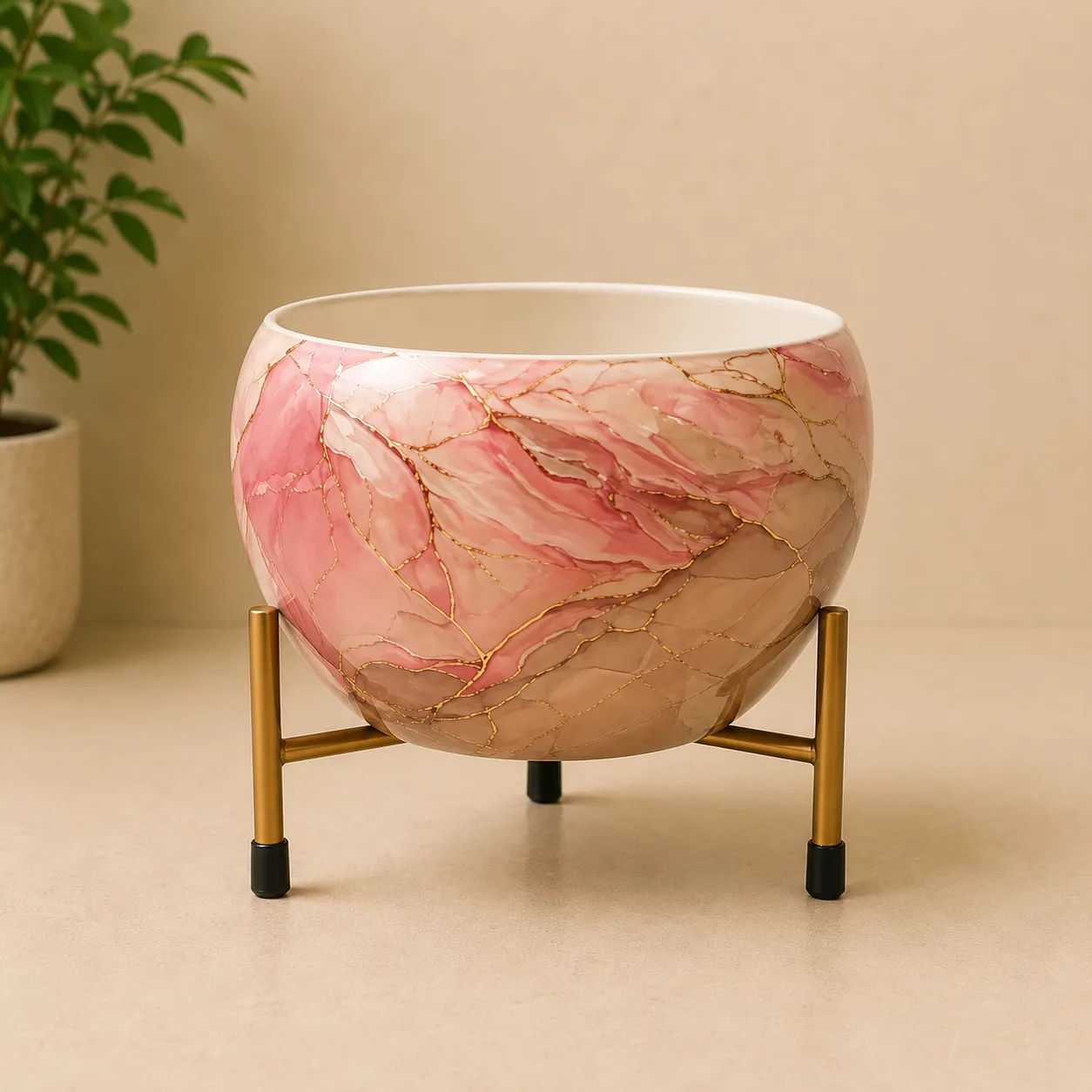
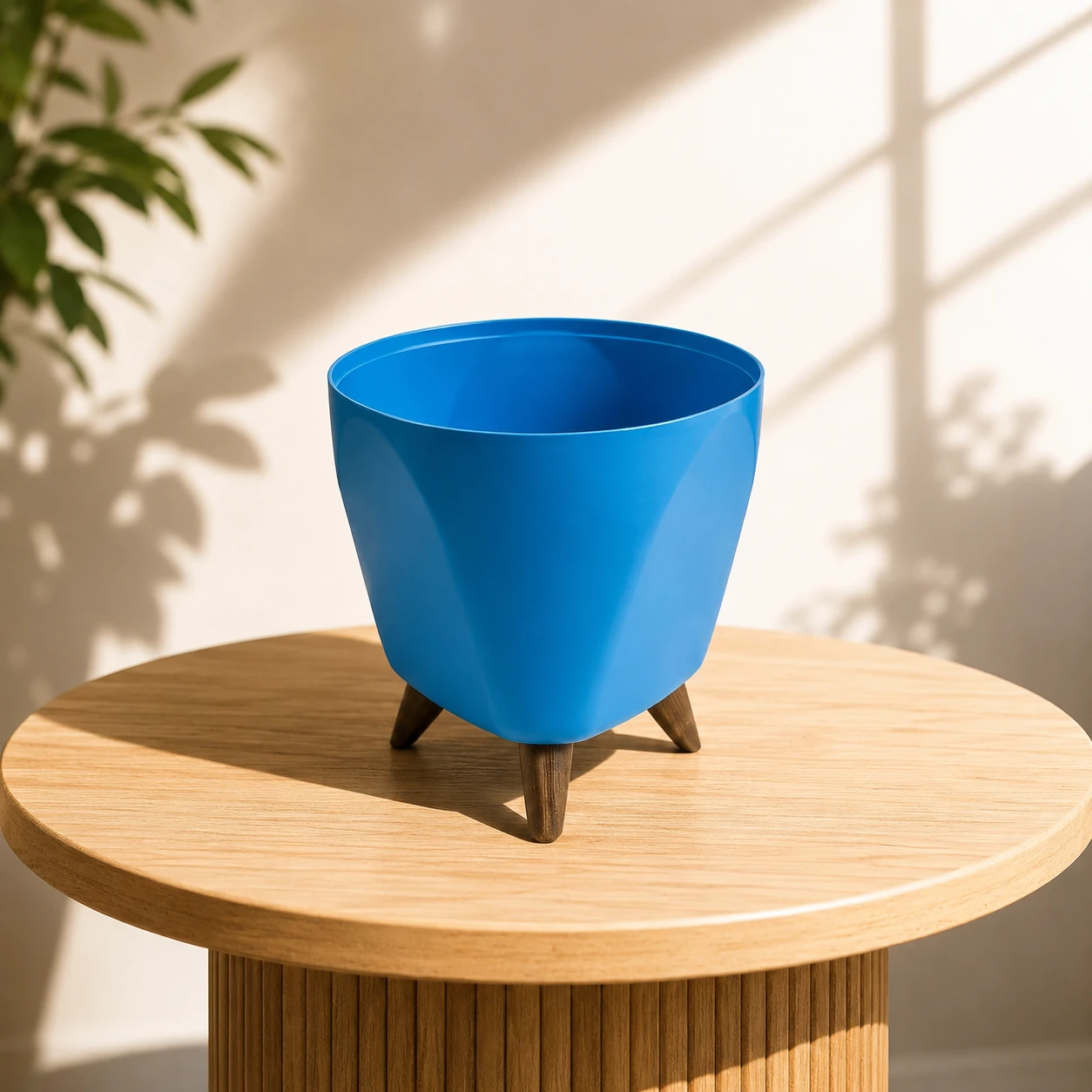
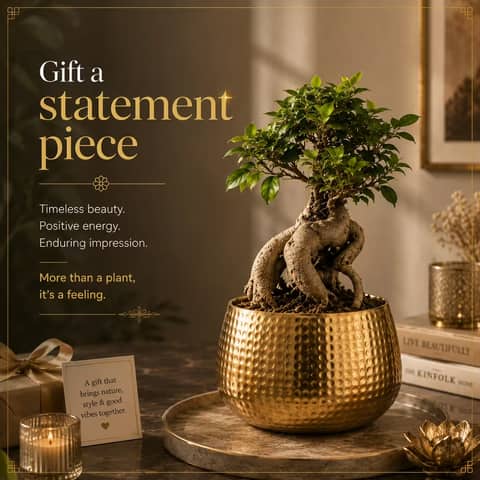
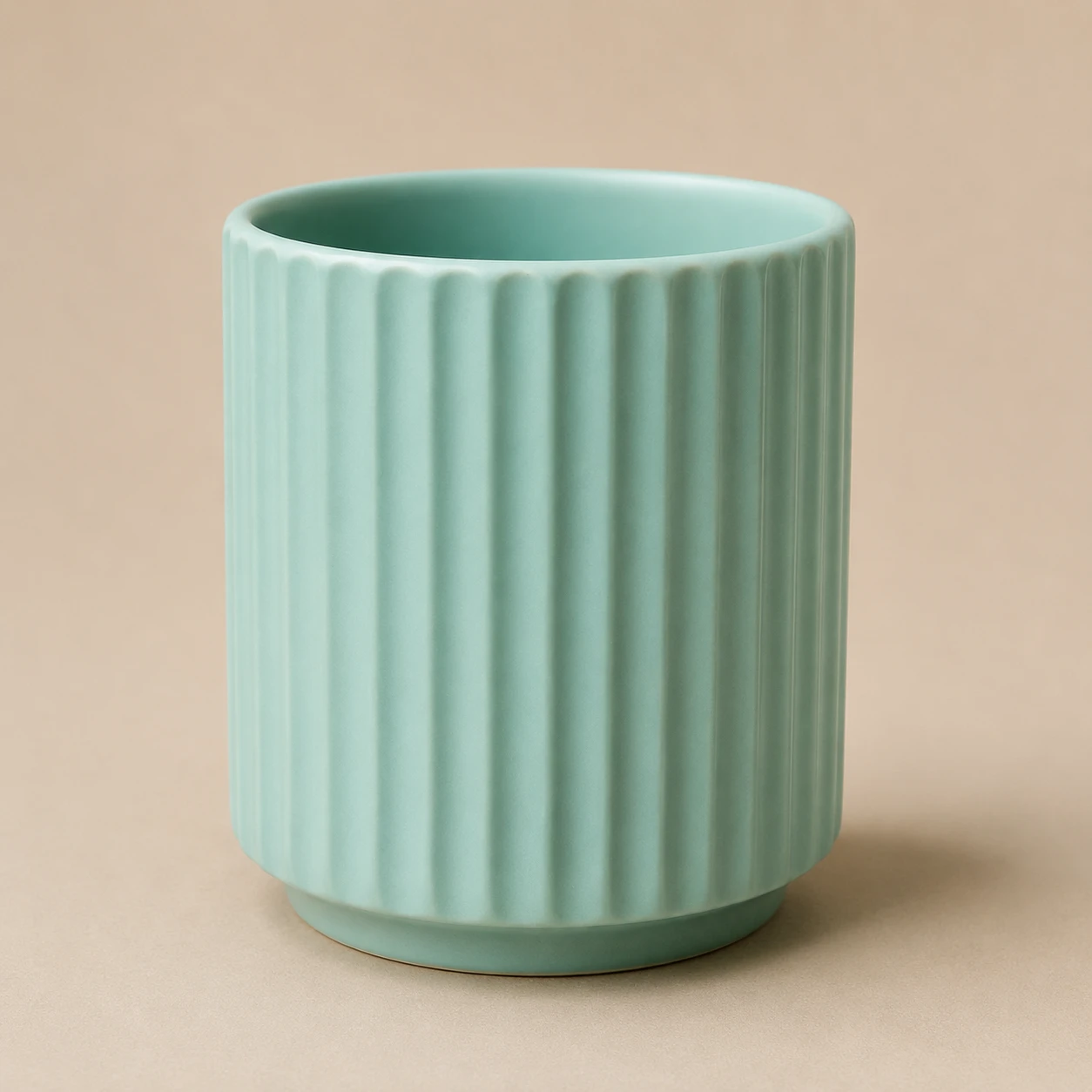
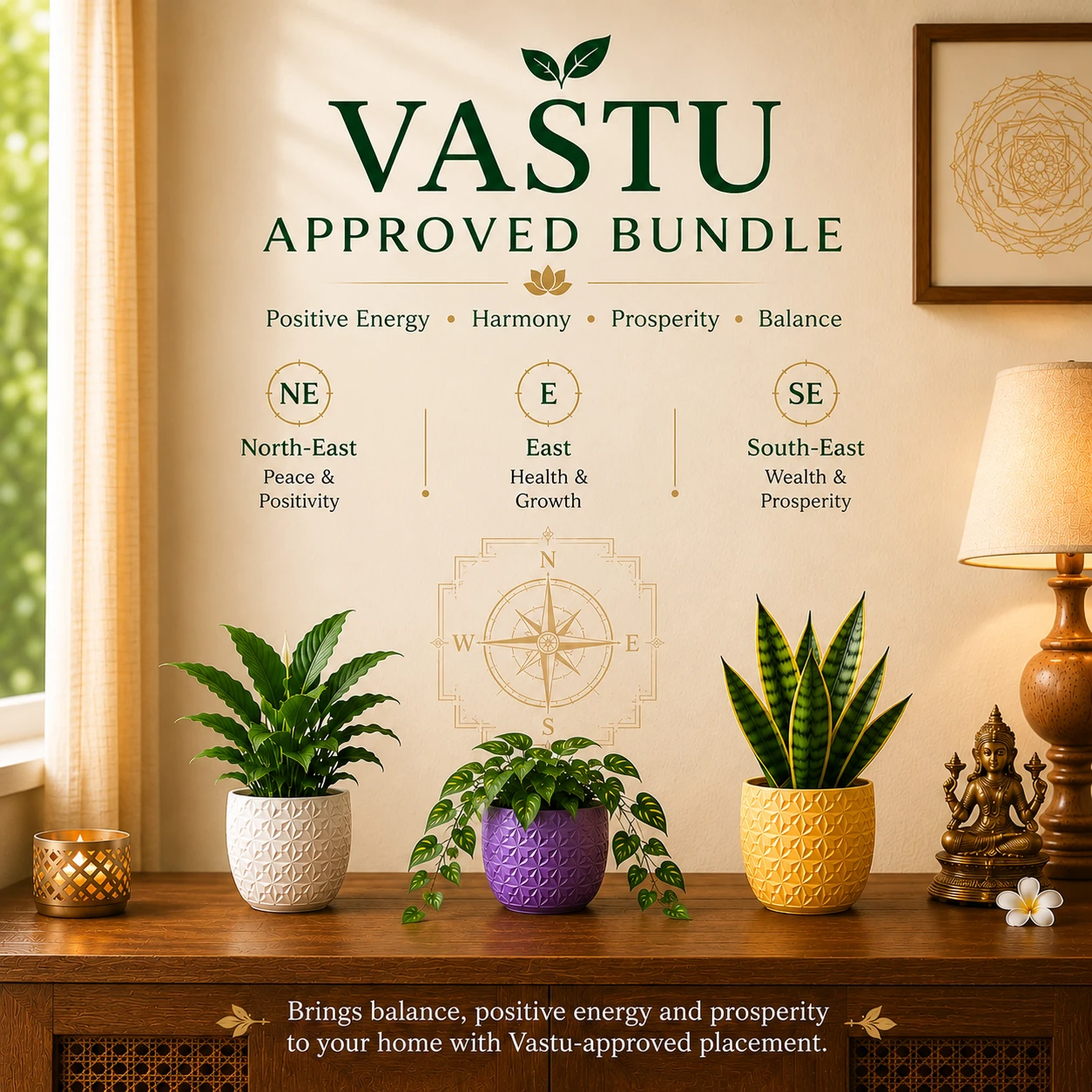
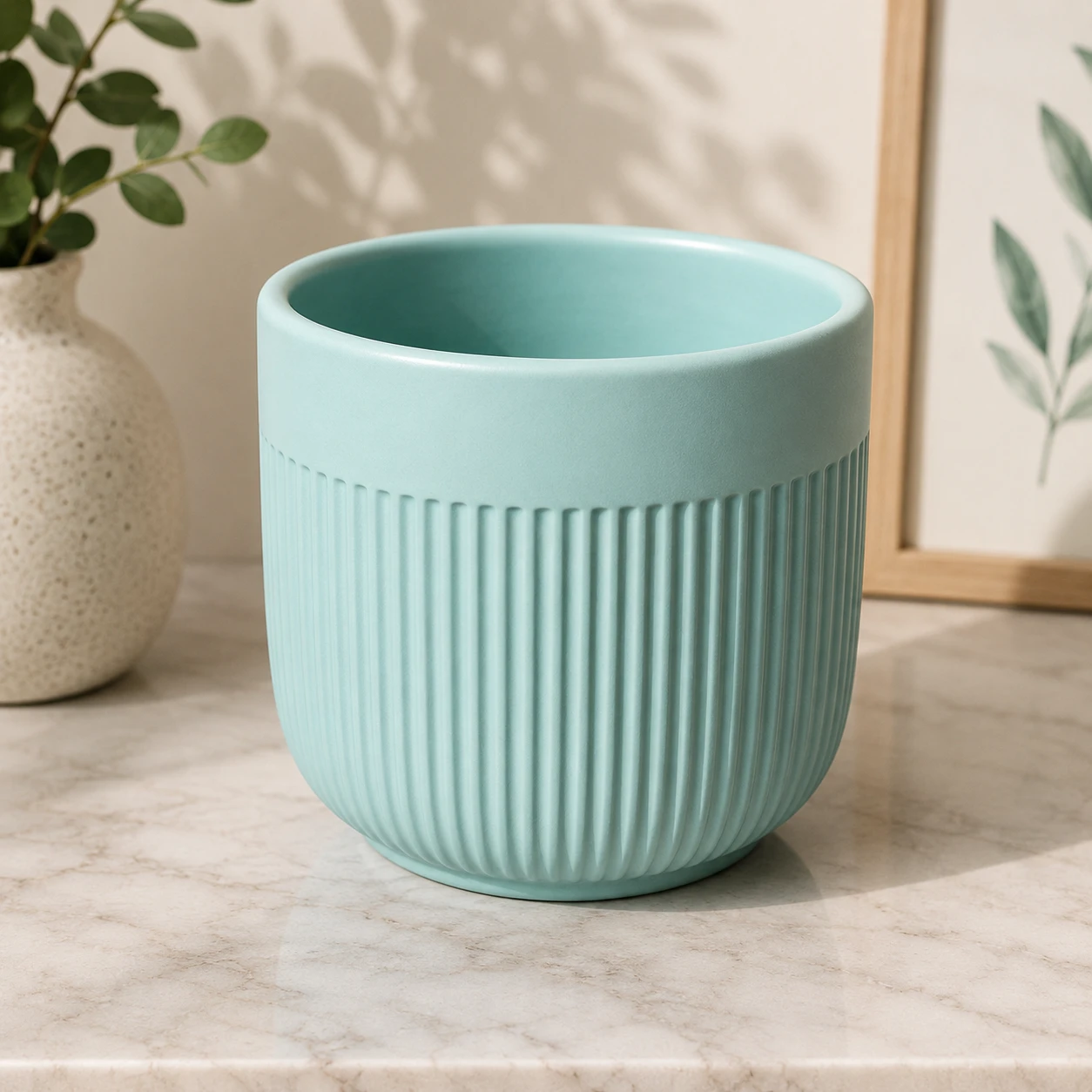
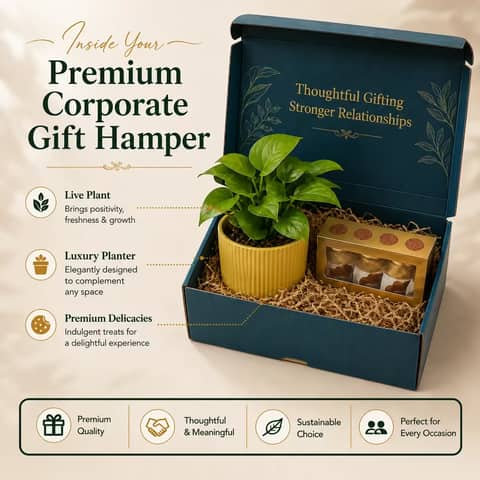
Do not choose pots based only on the plant photo, because product images may show styling props or plants not included in the listing. Always check inner diameter, outer diameter, height, drainage, material and what exactly is included. Urban Bagicha product pages can help you compare these details before selecting the right pot for your indoor plant.
Frequently Asked Questions
Do all pots for indoor plants need drainage holes?
For direct planting, drainage holes are strongly recommended. If the pot has no holes, use it as a decorative cover pot with a separate inner grow pot.
How do I know which pot size to choose for an indoor plant?
Measure the current pot or root ball and choose the next suitable size up. Avoid a much larger pot because it can retain too much water around the roots.
Are plastic pots good for indoor plants?
Plastic pots can work well because they are lightweight and easy to move. Just ensure they have drainage and are stable enough for the plant’s height.
What should I check in the product images before buying?
Look for scale, drainage view, finish, colour accuracy and whether the plant is included. Also read the dimensions instead of judging size only from photos.