Plant Care
Money Plant Complete Care Guide
Learn how to care for a money plant at home with watering, light, soil, Vastu tips and styling ideas from Urban Bagicha.
Updated 5 June 2026
Origin & Botany
Botanical name: Epipremnum aureum (also known as Devil’s Ivy or Golden Pothos).
Family: Araceae — the same family as the Peace Lily, Monstera and Philodendron.
Native to: Southeast Asia and the islands of the Western Pacific, where it climbs tree trunks in warm, humid forests.
Because it evolved as a forest climber reaching for filtered light, it is naturally suited to indoor conditions — a big reason it adapts so easily to Indian homes.
Light
Money Plants thrive in bright, indirect light — think a spot a few feet from a sunny window, or a balcony with a sheer curtain. They will happily tolerate low light too, which is why they survive in bathrooms and office corners, but growth slows and the golden variegation fades toward plain green.
• Enough light: the variegation (golden marbling) is rich and bright
• Too little light: leaves turn fully green, stems stretch with large gaps between leaves (“leggy” growth)
• Too much direct sun: pale, scorched or crispy patches on the leaves
URBAN BAGICHA SECRET
Want to keep that signature golden marbling? Give it the brightest spot that still has no direct afternoon sun. Rotate the pot a quarter-turn each week so every side grows evenly instead of leaning toward the window.
Water
Water only when the top 2–3 cm of soil feels dry to the touch — push a finger in to check. In most Indian homes this works out to about once a week in summer and once every 10–14 days in winter. The single most common way to harm a Money Plant is overwatering, so when in doubt, wait a day.
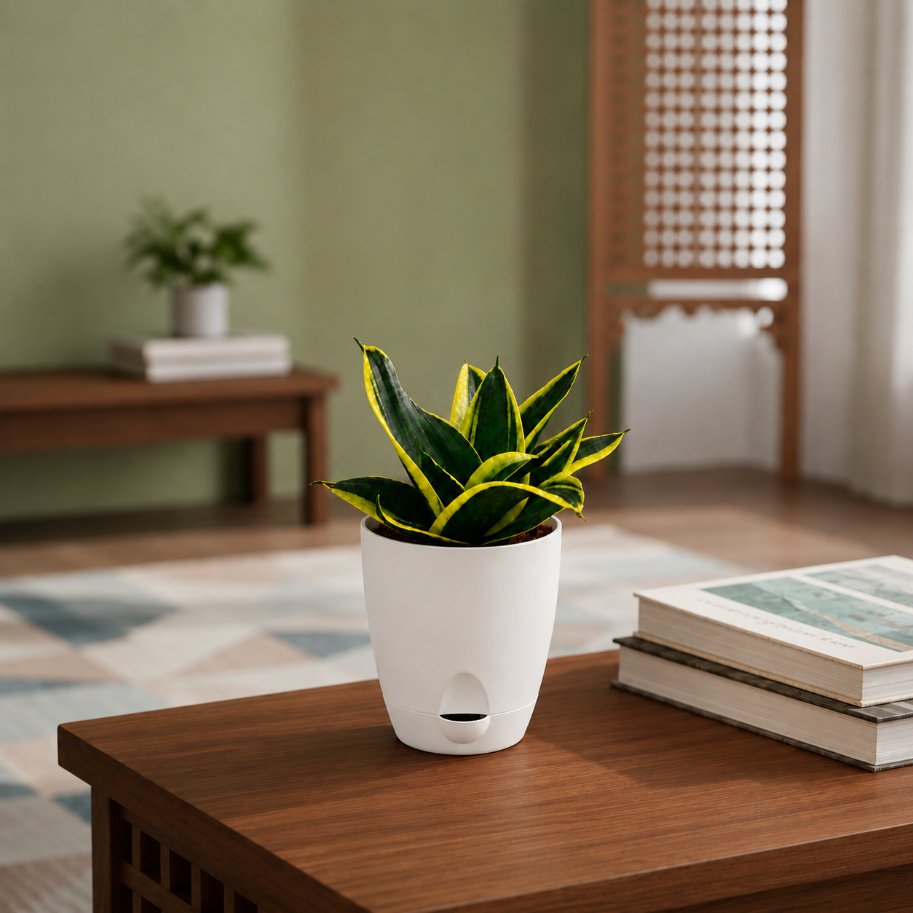
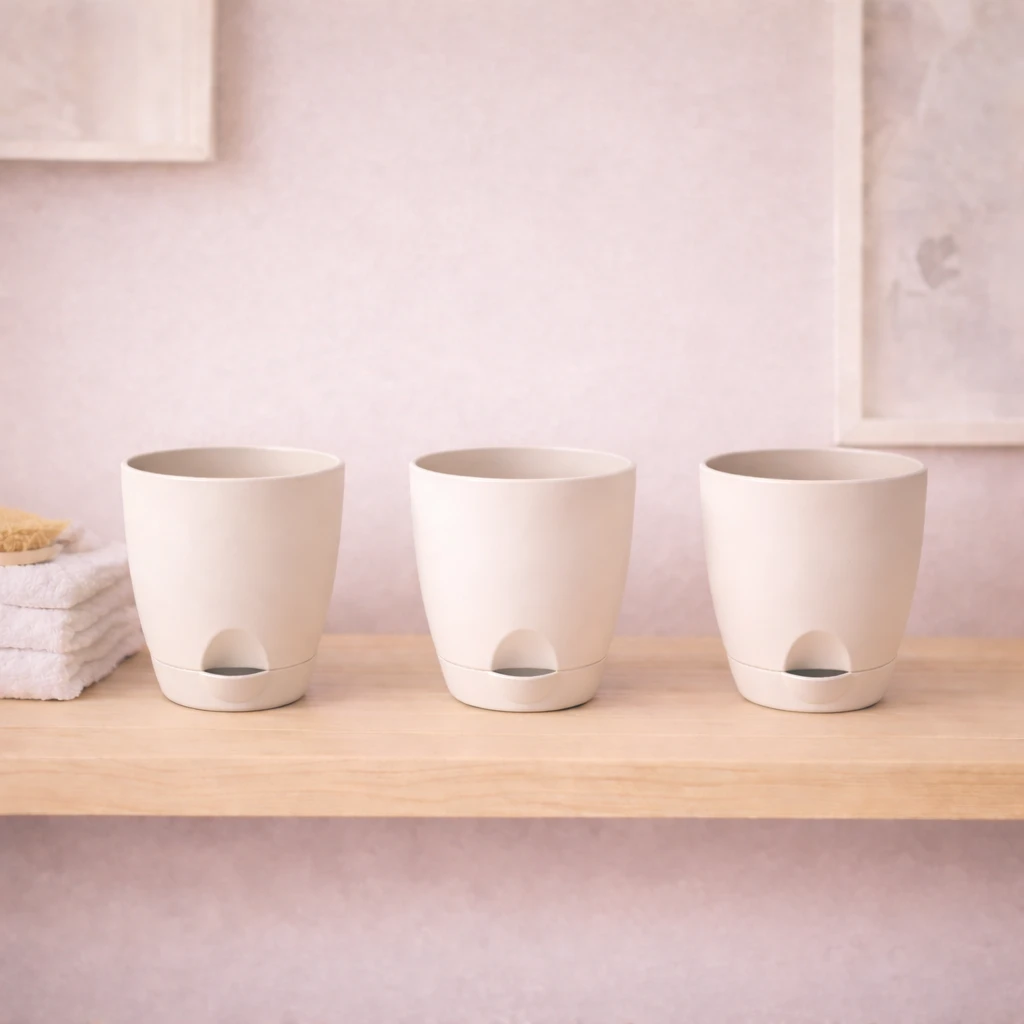
• Water thoroughly until it drains from the bottom, then empty the saucer — never let the pot sit in standing water.
• Soft, yellowing lower leaves and damp, smelly soil usually mean too much water.
• Crispy brown leaf tips and limp, drooping vines usually mean too little.
URBAN BAGICHA SECRET
During Pune’s humid monsoon months, the soil stays wet much longer — stretch out your watering and let the mix dry more between drinks. In peak summer (Apr–May), check twice a week.
Humidity
The Money Plant prefers moderate humidity but adapts easily to ordinary indoor air, which is what makes it so dependable. It will simply grow a little faster and lusher with extra moisture in the air.
• Mist the leaves once or twice a week, especially in dry winter or AC-heavy rooms.
• Group it with other plants, or set the pot on a tray of pebbles and water, to raise local humidity.
Soil & Potting
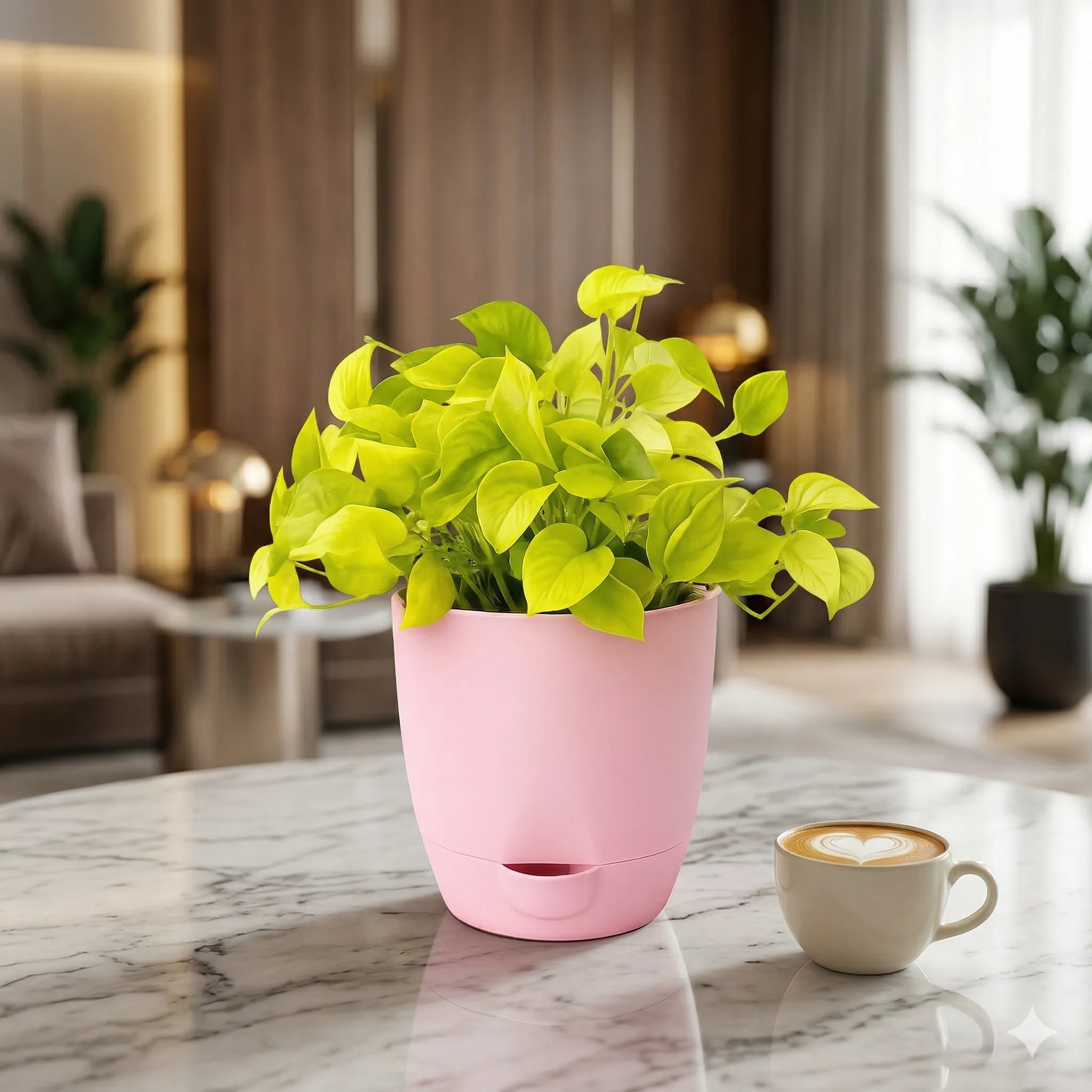
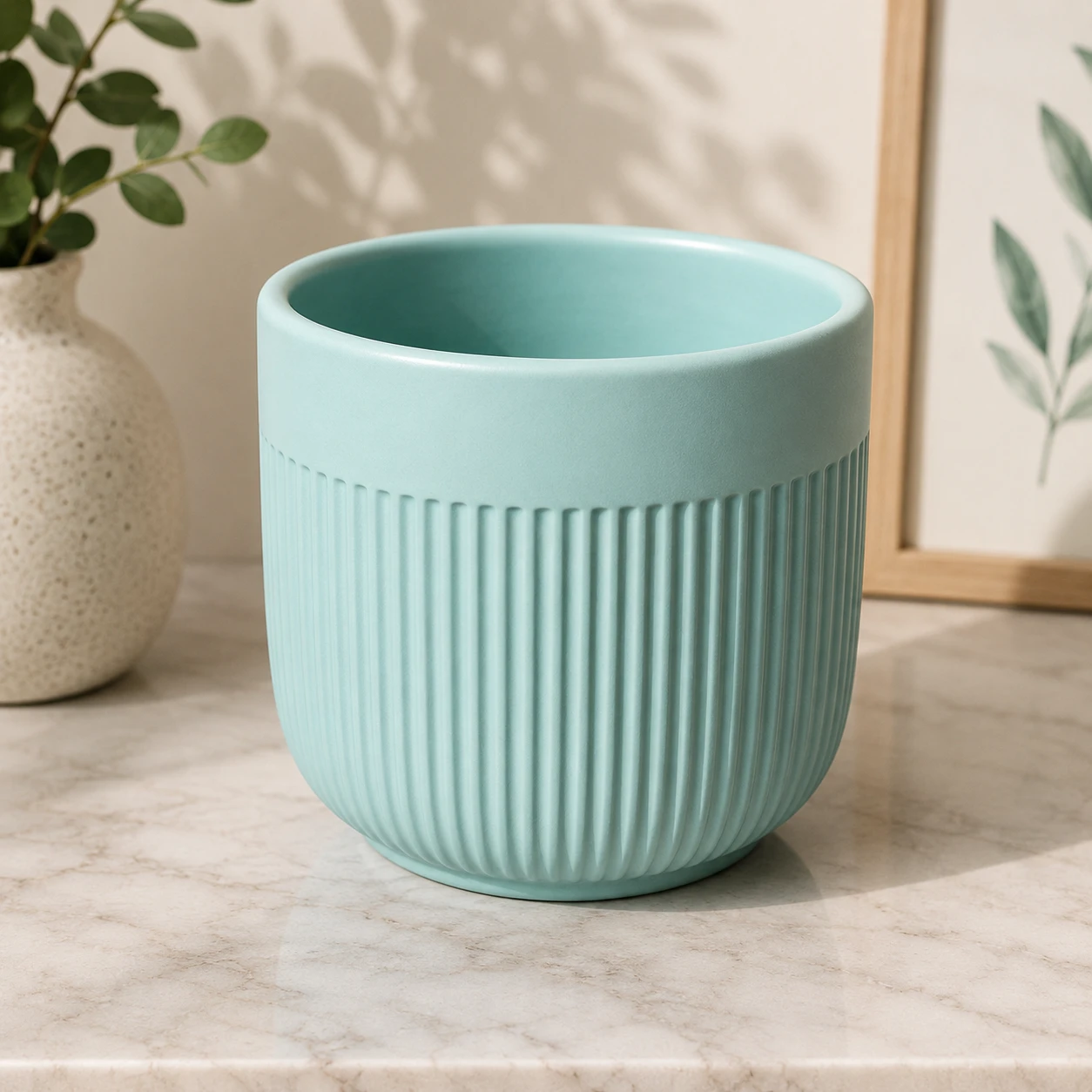
Money Plants are not fussy, but they hate soggy feet. Use a light, well-draining mix and a pot with a drainage hole.
Ideal mix: Regular potting soil blended with cocopeat for moisture balance and a handful of perlite, sand or coarse compost for drainage.
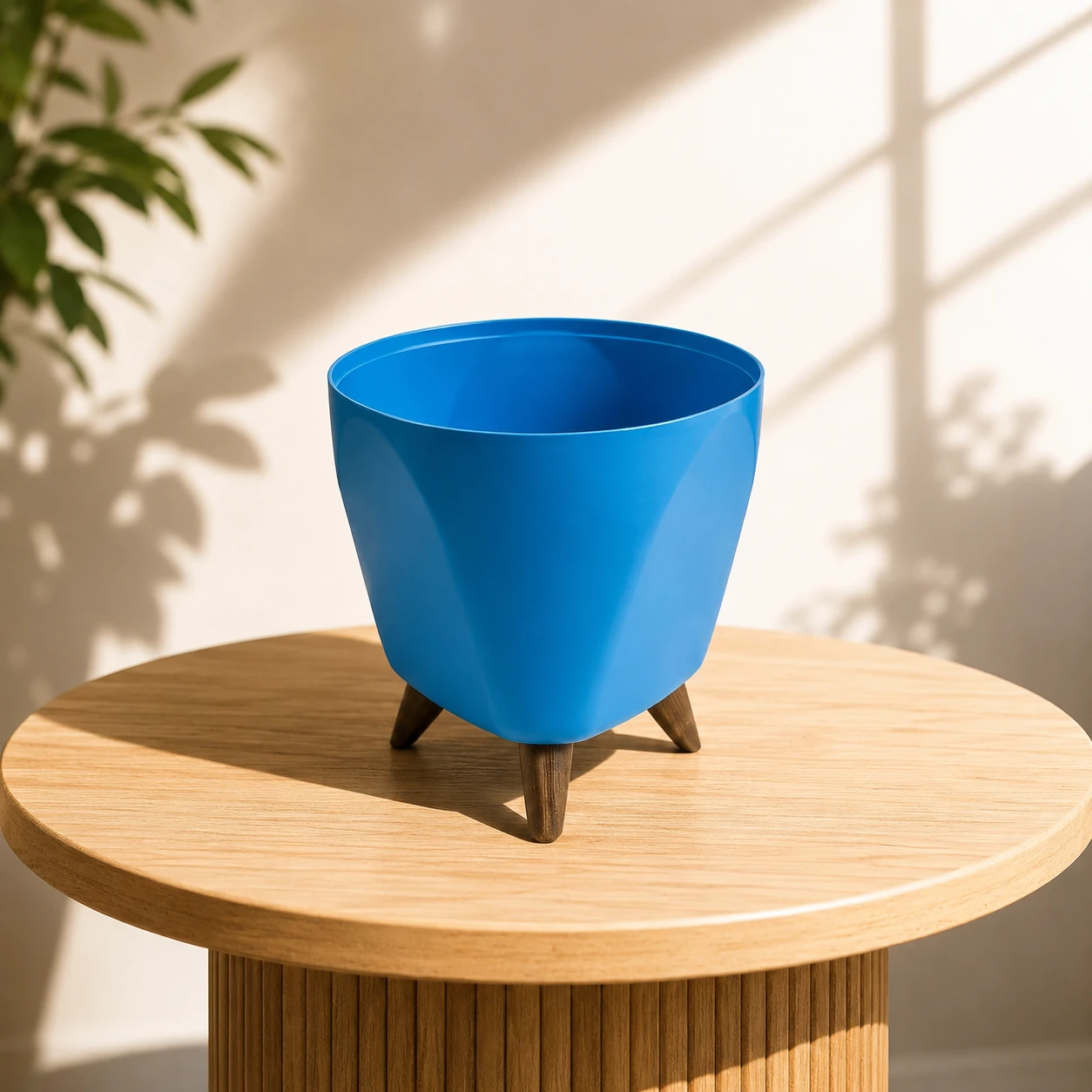
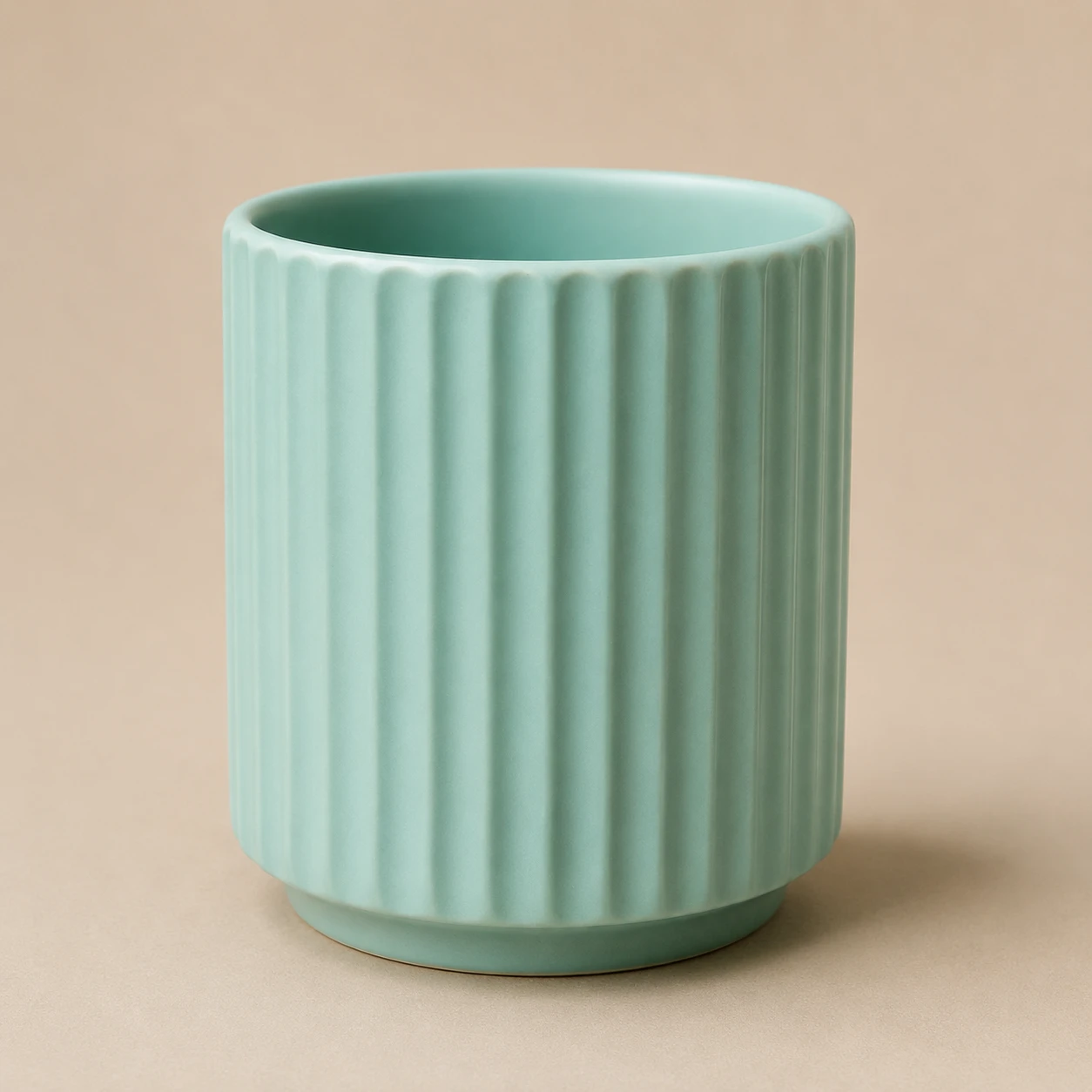
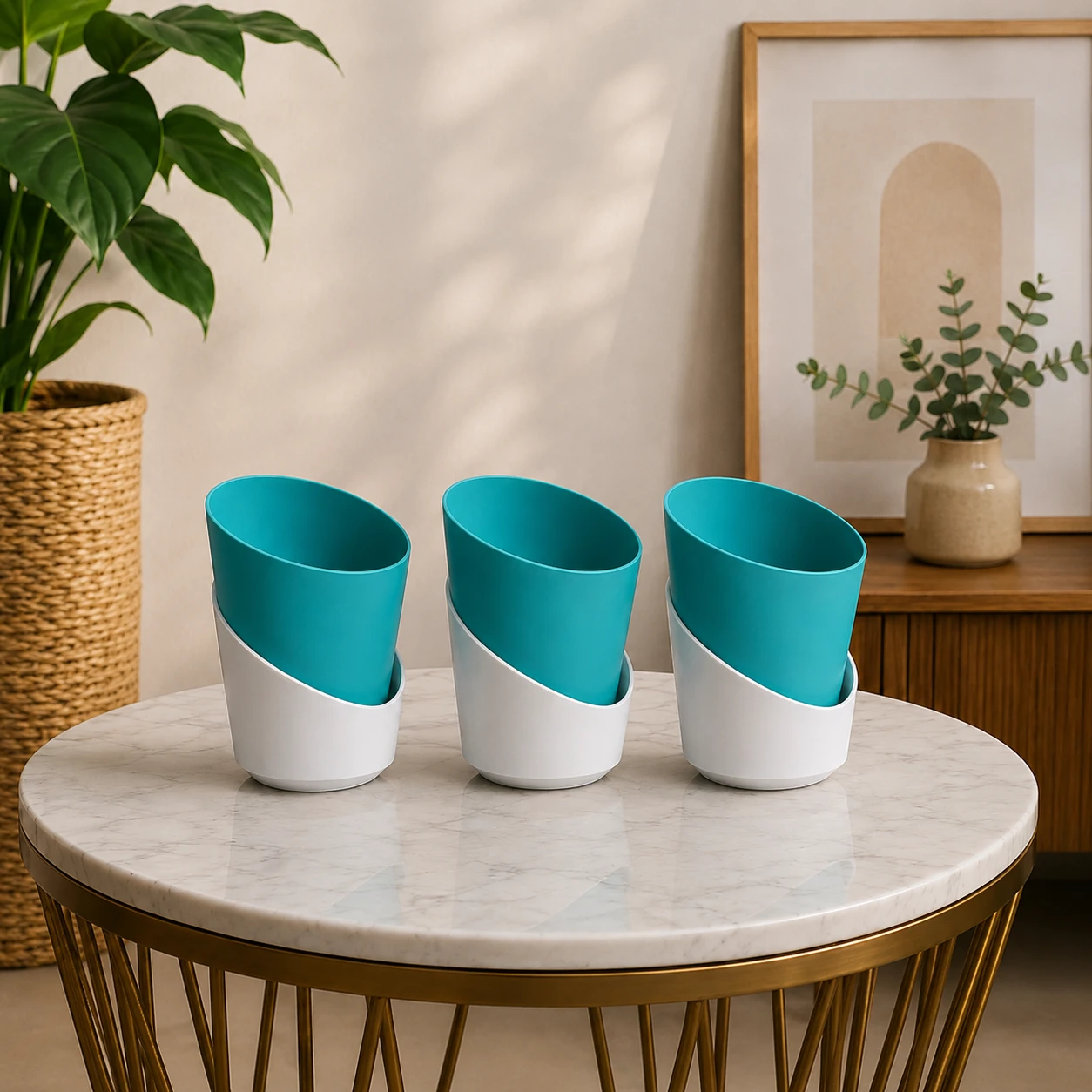
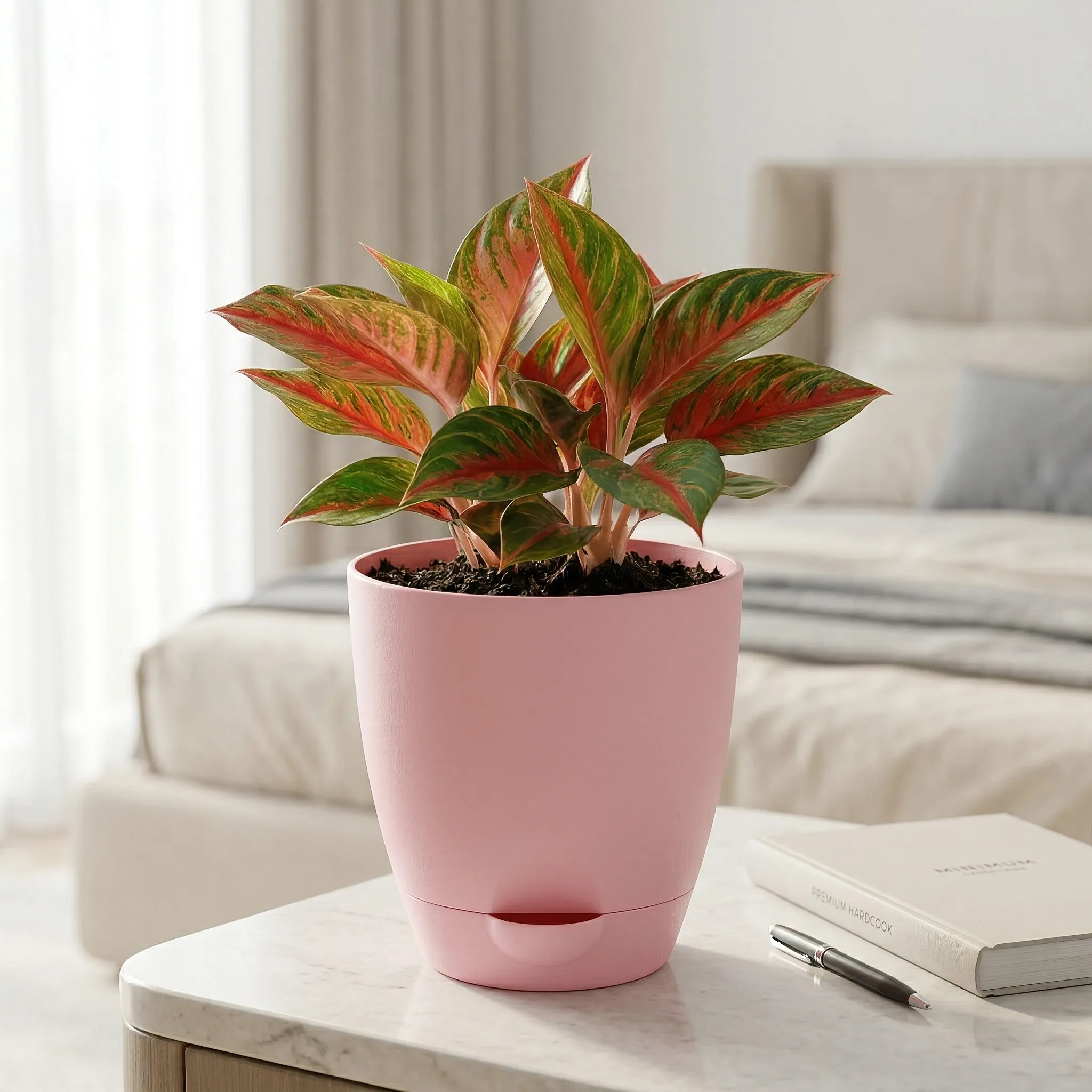
Pot choice: Terracotta breathes and dries faster (great if you tend to overwater); plastic and ceramic hold moisture longer. Always pick a size with a drainage hole.
URBAN BAGICHA SECRET
If your plant came in a nursery grow-bag, you can leave it for a few weeks while it settles into your home — then repot into a decorative planter one size larger. Don’t jump to a giant pot; oversized pots hold excess water and invite root rot.
Feeding & Fertiliser
Feed every 15 days with Urban Bagicha Seaweed Liquid Fertilizer or Amino Acid Liquid Fertilizer for faster vine growth and lush green leaves. Add Vermicompost once a month to enrich soil health. For pest prevention and fungal protection, spray Neem Based Biofertilizer every 15–20 days, especially during humid weather.
UB SECRET
Foliar spray of diluted Epsom salt in every 15 days for those lush green leaves.
Pruning & Cleaning
A quick trim keeps your Money Plant bushy instead of straggly, and the cuttings give you free new plants.
• Snip just above a leaf node (the little bump where a leaf meets the stem). The plant will branch out from that point, growing fuller.
• Remove yellow, damaged or leggy stems any time of year.
• Wipe the leaves with a soft damp cloth every couple of weeks — clean leaves breathe better and look glossier.
Propagation — Free Plants in 3 Steps
This is the Money Plant’s superpower: a single cutting becomes a brand-new plant. The best time is the warm growing season.
1. Cut a healthy stem just below a node, keeping at least 2–3 leaves. Each cutting needs at least one node — that is where roots will form.
2. Remove the lowest leaf and place the node in a glass of water, or push it into moist soil.
3. Keep it in bright indirect light. In water, roots appear in 1–3 weeks; once they are 4–5 cm long, pot it into soil.
URBAN BAGICHA SECRET
Change the water every 3–4 days while rooting to keep it fresh and oxygen-rich. A clear glass jar lets you watch the roots grow — a lovely (and free) gift for a friend.
Growing in Water
Money Plant is one of the few houseplants that lives beautifully in just water, making it perfect for desks, kitchens and low-mess corners.
• Use a glass or bottle that keeps the nodes submerged and the leaves above water.
• Refresh the water every week, and rinse any slime off the roots.
• Add a couple of drops of liquid fertiliser once a month, since water alone has few nutrients.
• Keep it in bright indirect light — it will grow slower than in soil, but stays lush for years.
Repotting
Repot every 1–2 years, or when you see roots circling the surface or poking out of the drainage hole. Move up just one pot size, refresh the soil mix, and water lightly. Early in the growing season is the ideal time so the plant recovers quickly.
Fun Facts
Did You Know?
◆ The Money Plant is one of the most popular houseplants in the world and is widely seen as a symbol of growth, prosperity and resilience.
◆ Its nickname “Devil’s Ivy” comes from how nearly impossible it is to kill — it stays green even in poor light.
◆ It featured in NASA’s famous Clean Air Study as a plant that can help filter common indoor air pollutants like formaldehyde and benzene.
In the wild it is a climber — supported by a tree, its small indoor leaves can grow into giant, deeply lobed ones.
Placement & Styling
Hanging Baskets: Its trailing vines look beautiful spilling downward, creating a lush, natural décor element above eye level.
Bookshelves & Cabinets: Set it up high and let the vines grow down across the shelf, adding softness and dimension to your interiors.
Near Entryways: A classic Indian choice — placed near entrances to welcome guests and, by tradition, invite positive energy.
Climbing a Moss Pole: Train it upward for a tall, full, statement plant instead of a trailing one — the leaves grow noticeably larger.
Desks & Kitchens: A small jar grown in water is the perfect low-maintenance green companion for work-from-home corners.
Vastu & Feng Shui Notes
Across India and East Asia the Money Plant is treasured as a bringer of prosperity and positive energy — part of why it makes such a meaningful gift. These are traditional beliefs, shared here for those who like to keep them in mind:
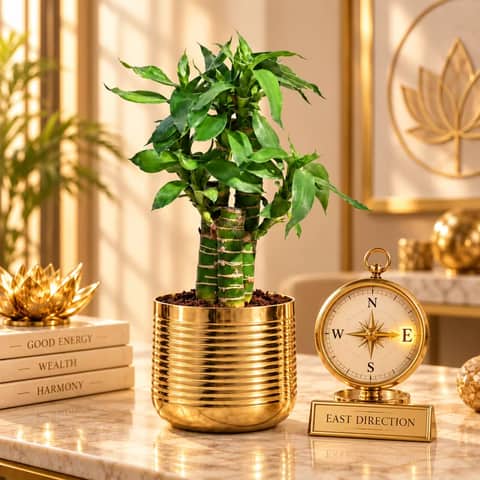
• Vastu commonly suggests placing it in the south-east corner of a room, the direction associated with wealth and abundance.
• It is traditionally kept indoors and healthy — a thriving plant is said to reflect thriving fortune, while a neglected one is best revived or replaced.
• In Feng Shui its rounded, coin-like leaves connect it to the wood element and the flow of growth and good fortune.
URBAN BAGICHA SECRET
Whether or not you follow Vastu, the real “good energy” comes from a healthy, well-placed plant in light you enjoy. Pick a spot you walk past daily — you’ll remember to care for it, and it’ll thrive.
Seasonal Care Calendar (India)
A simple rhythm tuned to Indian seasons keeps your Money Plant happy all year.
Summer (Mar–Jun): Peak growing season. Water more often (check twice a week), keep out of harsh afternoon sun, and feed every 3–4 weeks.
Monsoon (Jul–Sep): Soil stays damp longer — reduce watering and watch for fungus gnats. Ensure good drainage and air flow.
Post-Monsoon (Oct–Nov): Comfortable growth continues. A great time to prune, propagate and repot.
Winter (Dec–Feb): Growth slows. Water less (every 10–14 days), pause fertilising, and keep away from cold drafts and direct heaters.
Signs of Distress & Quick Fixes
Plants talk through their leaves. Here is how to read the most common signals.
Sign of Distress | Likely Cause | What To Do |
Yellowing leaves | Overwatering or poor drainage. | Let the soil dry out more between waterings and ensure the pot drains freely to prevent root rot. |
Slow or leggy growth | Too little light. | Move to a brighter spot with indirect light to encourage fuller, healthier growth. |
Crispy brown leaf tips | Dry air, under-watering or fertiliser build-up. | Water more consistently, mist the leaves, and flush the soil occasionally to clear excess salts. |
Faded / all-green leaves | Not enough light to maintain variegation. | Give it brighter indirect light to bring back the golden marbling. |
Soft, mushy stems / smell | Root rot from constant wet soil. | Trim affected roots, repot into fresh well-draining mix, and water far less. |
Drooping vines | Either very dry soil or, less often, waterlogged roots. | Check the soil — dry means water now; soggy means hold off and improve drainage. |
Sticky leaves / tiny bugs | Pests such as mealybugs or spider mites. | Wipe leaves clean and treat with diluted neem oil weekly until clear. |