Plant Care
Indoor Pots: A Practical Guide to Choosing Pots for Home Plants
Choose indoor pots for houseplants with this guide to pot size, materials, drainage, placement, decor matching and common buying mistakes.
Updated 3 July 2026
What makes a pot suitable for indoors
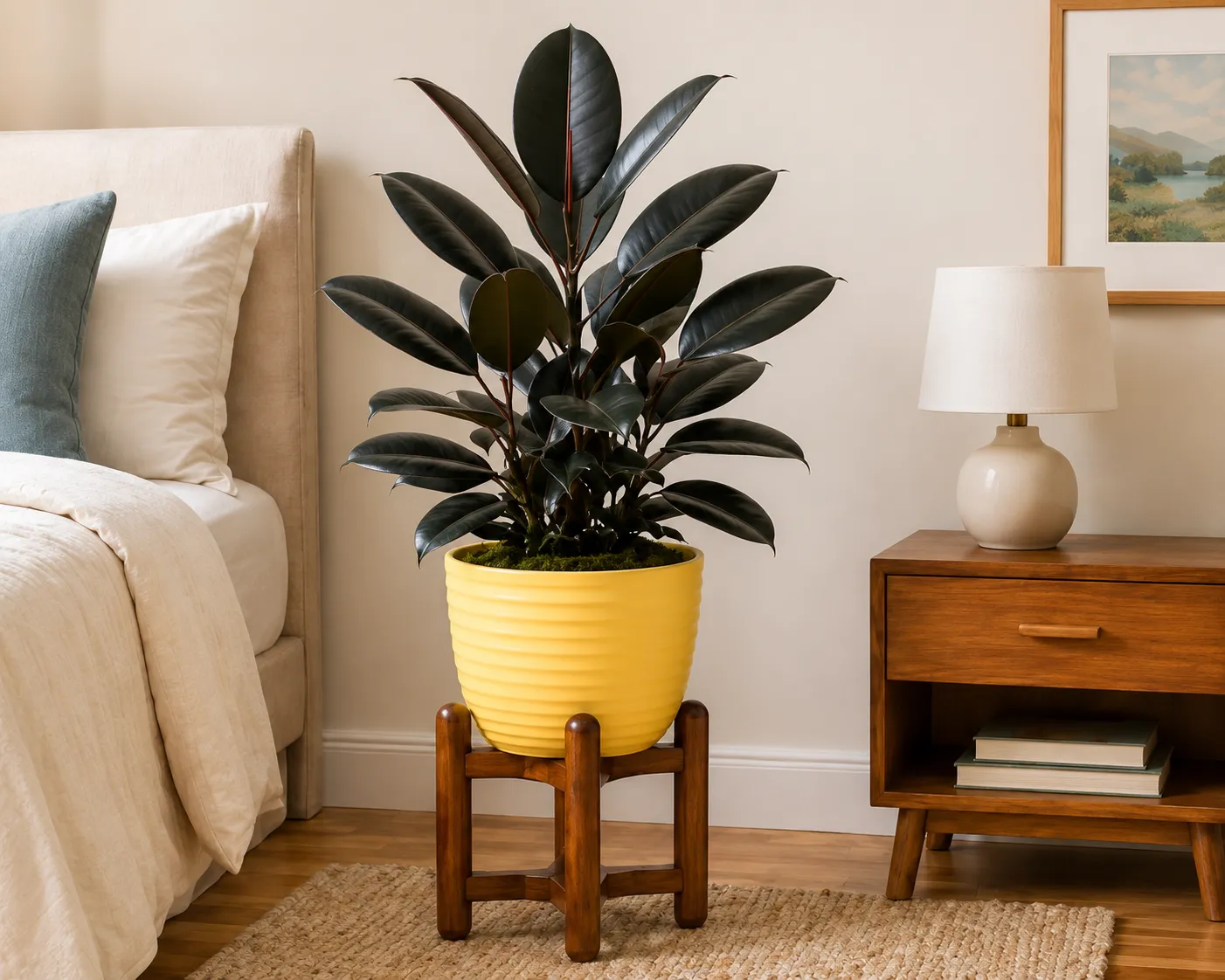
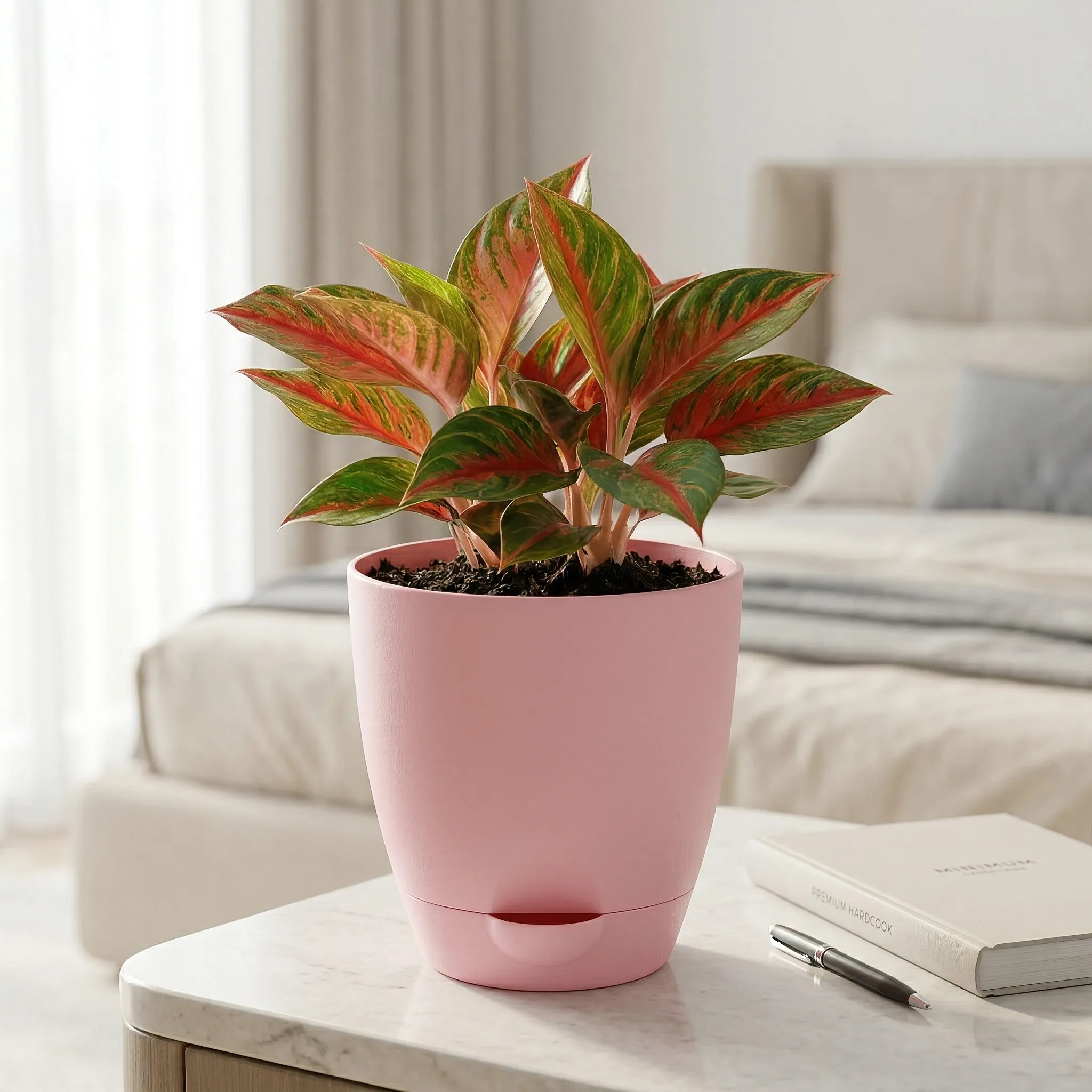
Indoor pots should balance plant health with clean placement inside the home. Look for a size that fits the plant’s root system, a shape that is stable, and a design that protects floors, tables and shelves from water stains.
Material choices and where they work best
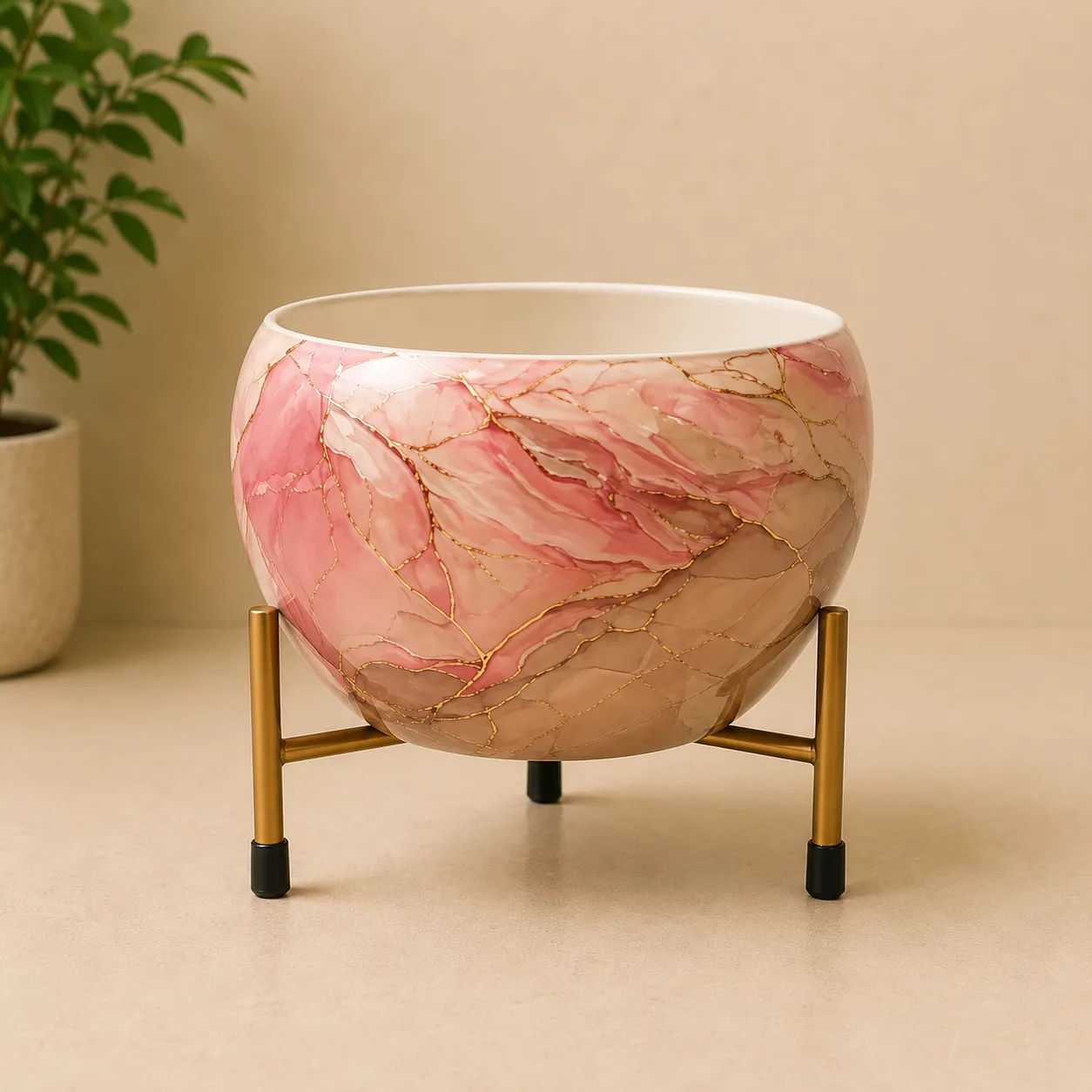
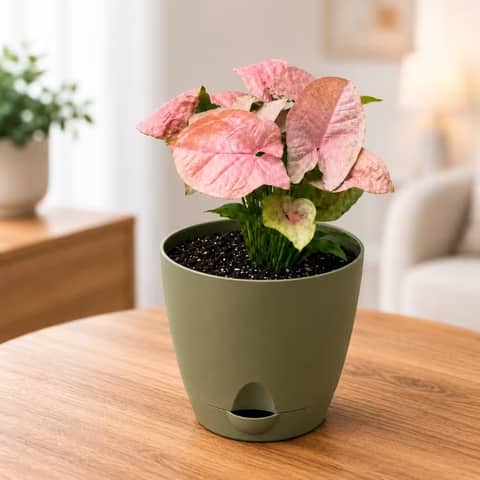
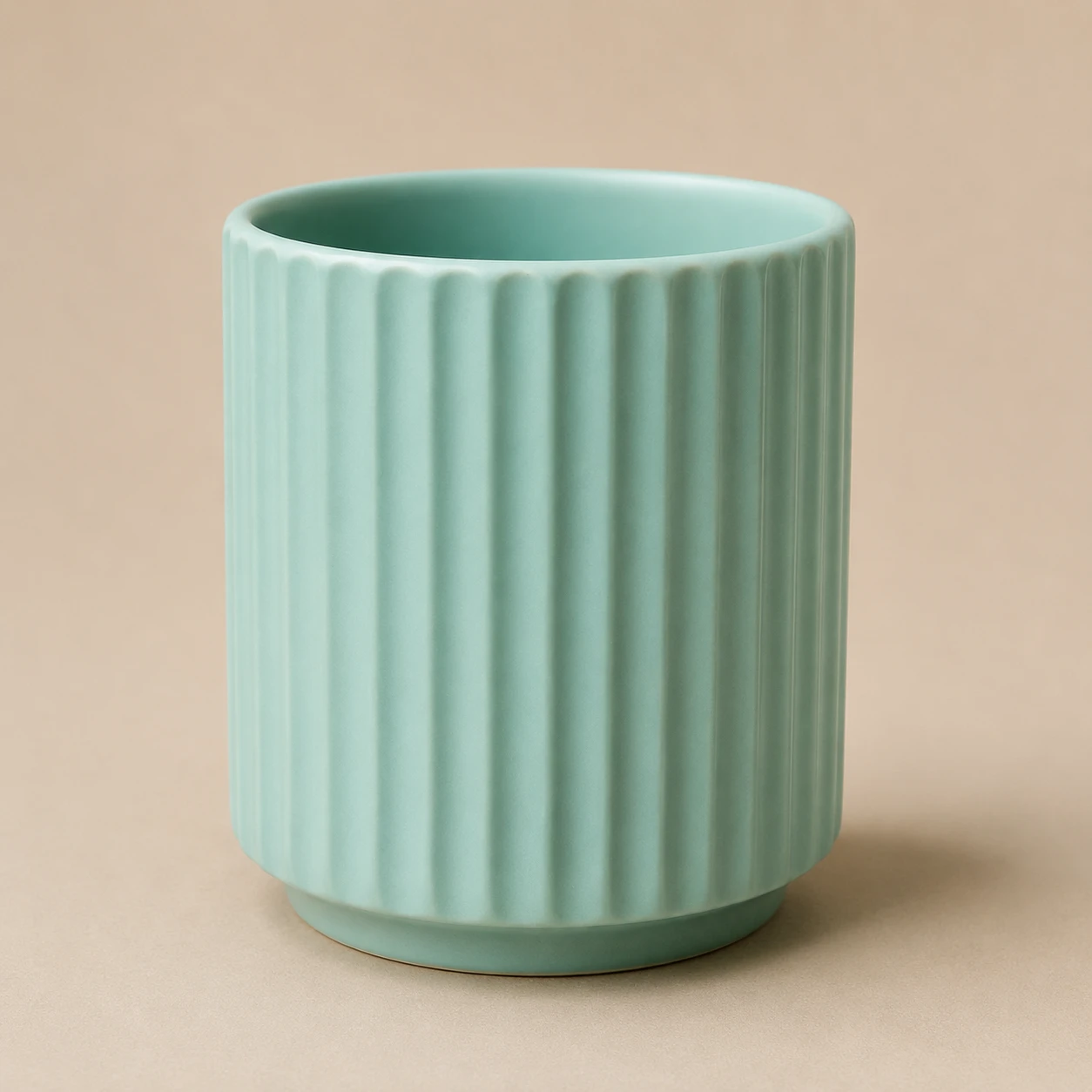
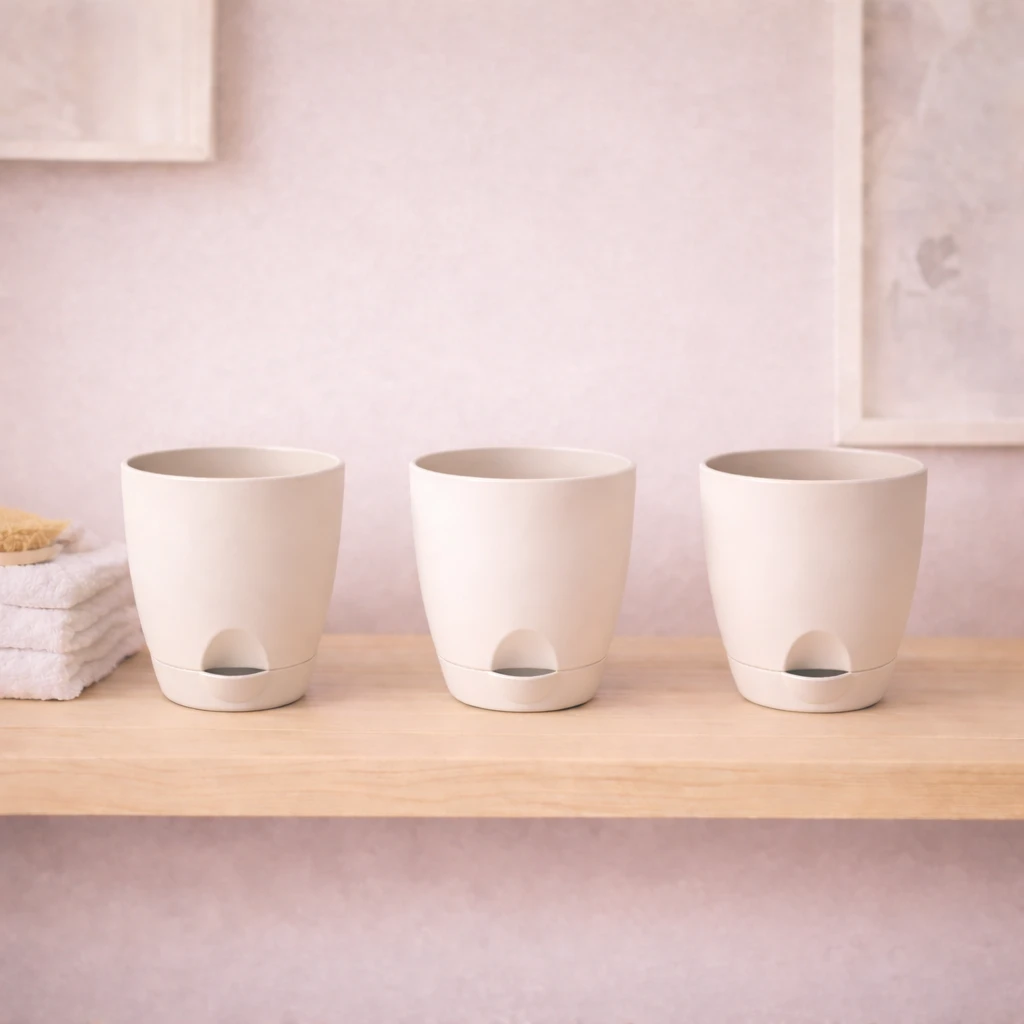
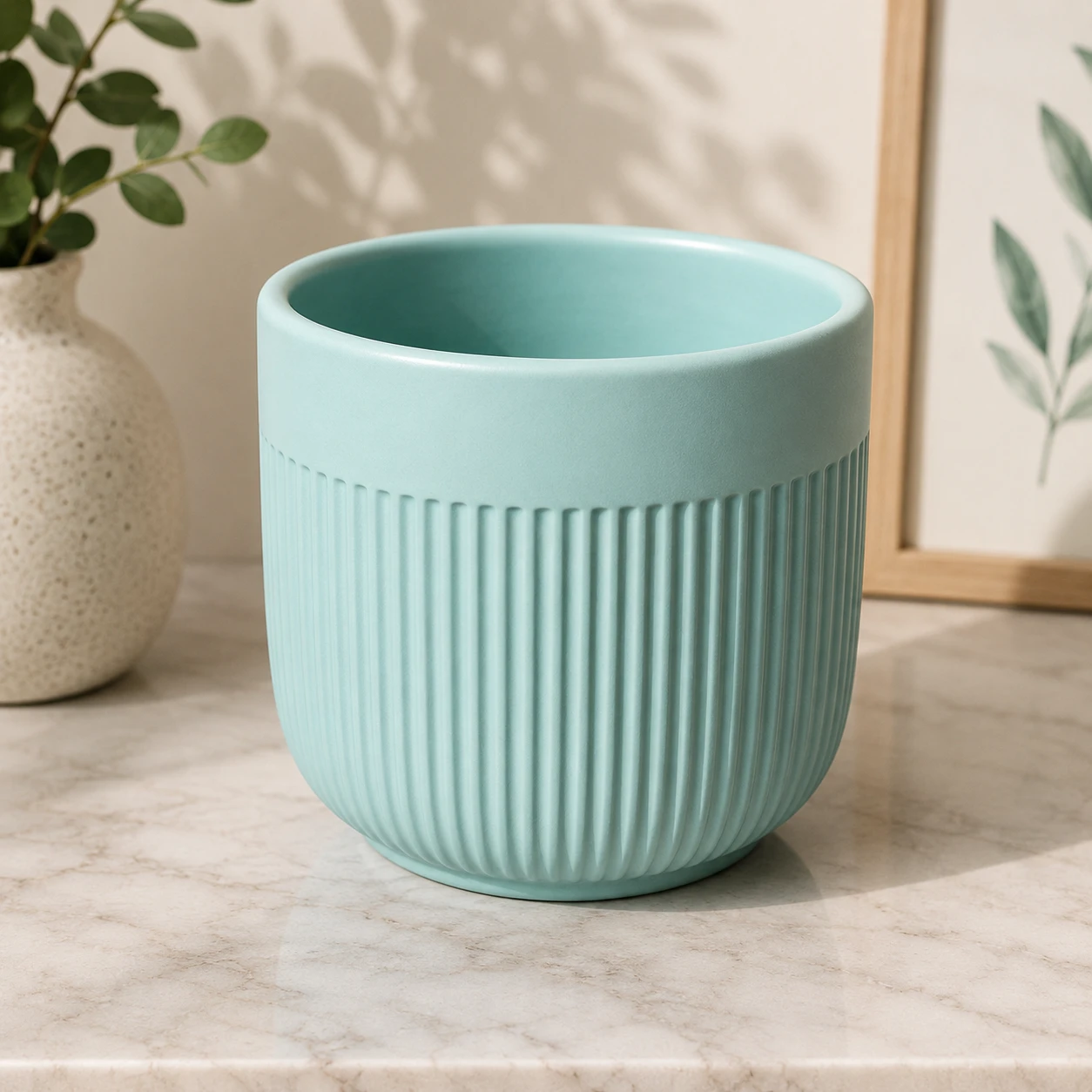
Plastic pots are lightweight and easy to move, ceramic pots offer a polished look for living rooms, and metal or fibre-style finishes can suit modern interiors depending on the plant. Heavier indoor pots are better for tall plants that may topple, while lightweight pots are convenient for shelves and hanging corners.
Drainage, saucers and cachepots
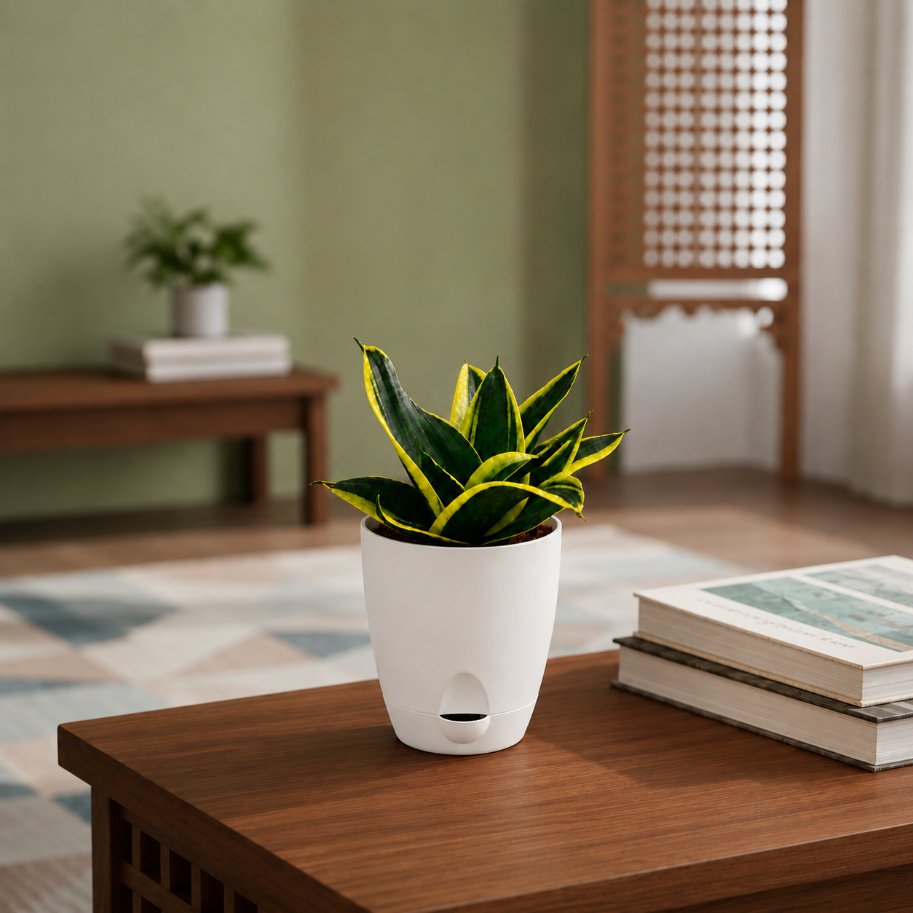
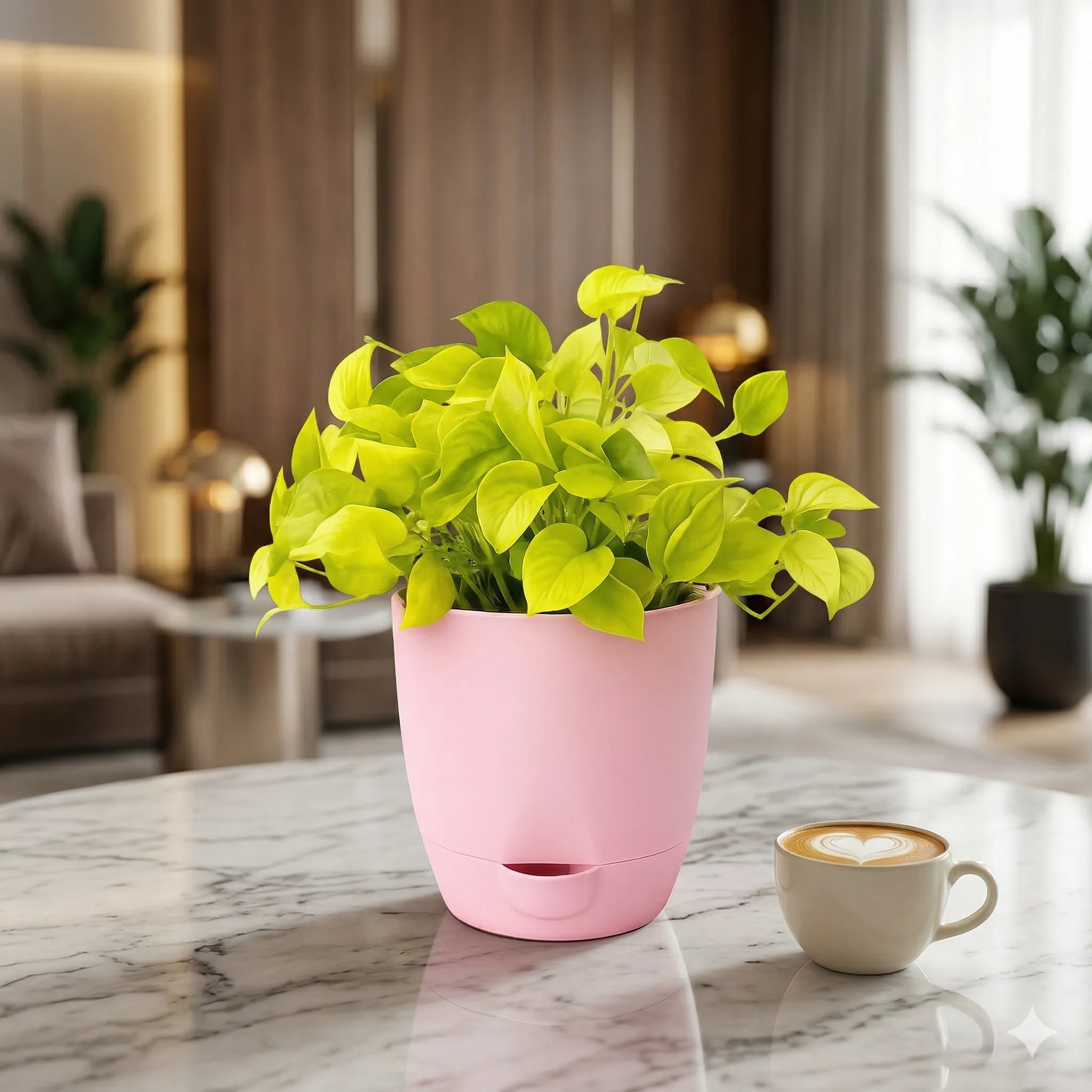
For indoor use, drainage must be handled thoughtfully because excess water cannot simply run onto the floor. Some people keep the plant in a nursery pot inside a decorative outer pot, while others prefer pots with drainage holes and matching saucers.
How to buy the right indoor pots online
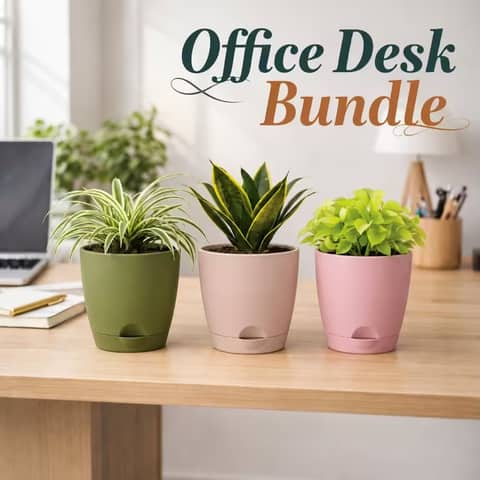
On Urban Bagicha, check pot diameter, height, material, colour and whether drainage or a saucer is included. Measure your plant’s current pot and the space where it will sit, especially for window sills, side tables and office desks.
Frequently Asked Questions
Do indoor pots need drainage holes?
Drainage holes are helpful for plant health because they allow excess water to escape. If you choose a decorative pot without drainage, use it as an outer pot and keep the plant in a removable nursery pot inside it.
How much bigger should an indoor pot be than the current pot?
Usually, choose only slightly bigger than the current root ball or nursery pot. A very large pot can hold too much wet soil, which is risky for many indoor plants.
Which indoor pots are best for living rooms?
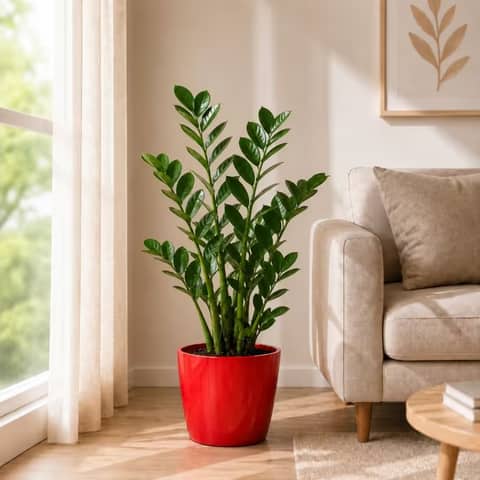
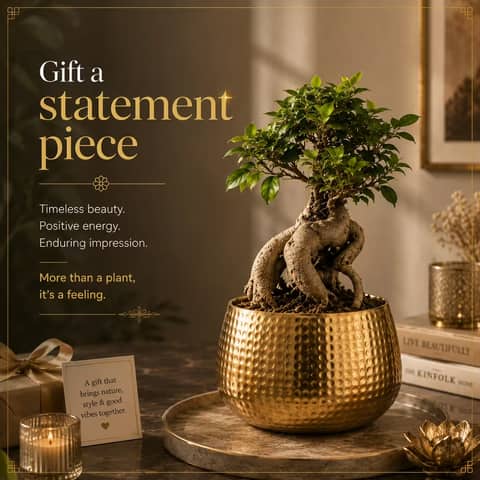
For living rooms, choose stable pots that match your decor and suit the plant’s height. Ceramic or heavier decorative pots often work well for statement plants, while smaller lightweight pots suit shelves and centre tables.
What should I check before buying indoor pots online?
Check exact dimensions, material, drainage details, colour, finish and whether the pot is meant as a planter or only as a decorative cover. This prevents size mismatch and water-management issues indoors.