Plant Care
Indoor Planter: How to Choose the Right One for Your Home
Choose the right indoor planter for your home. Learn about size, drainage, materials, placement, common mistakes and what to check before buying online.
Updated 3 July 2026
What makes an indoor planter different
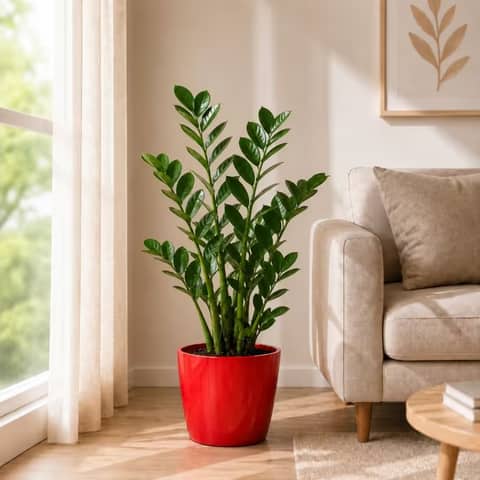
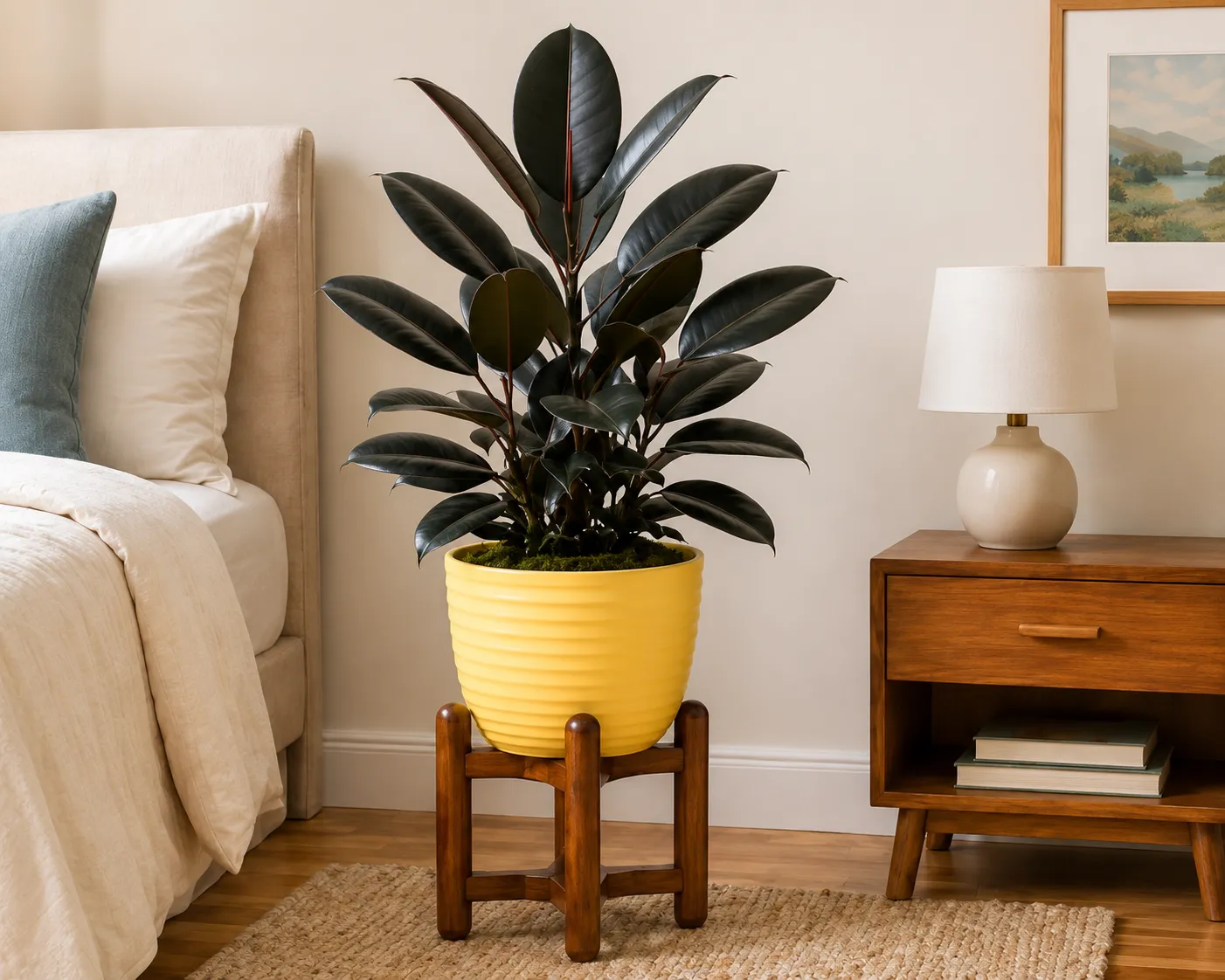
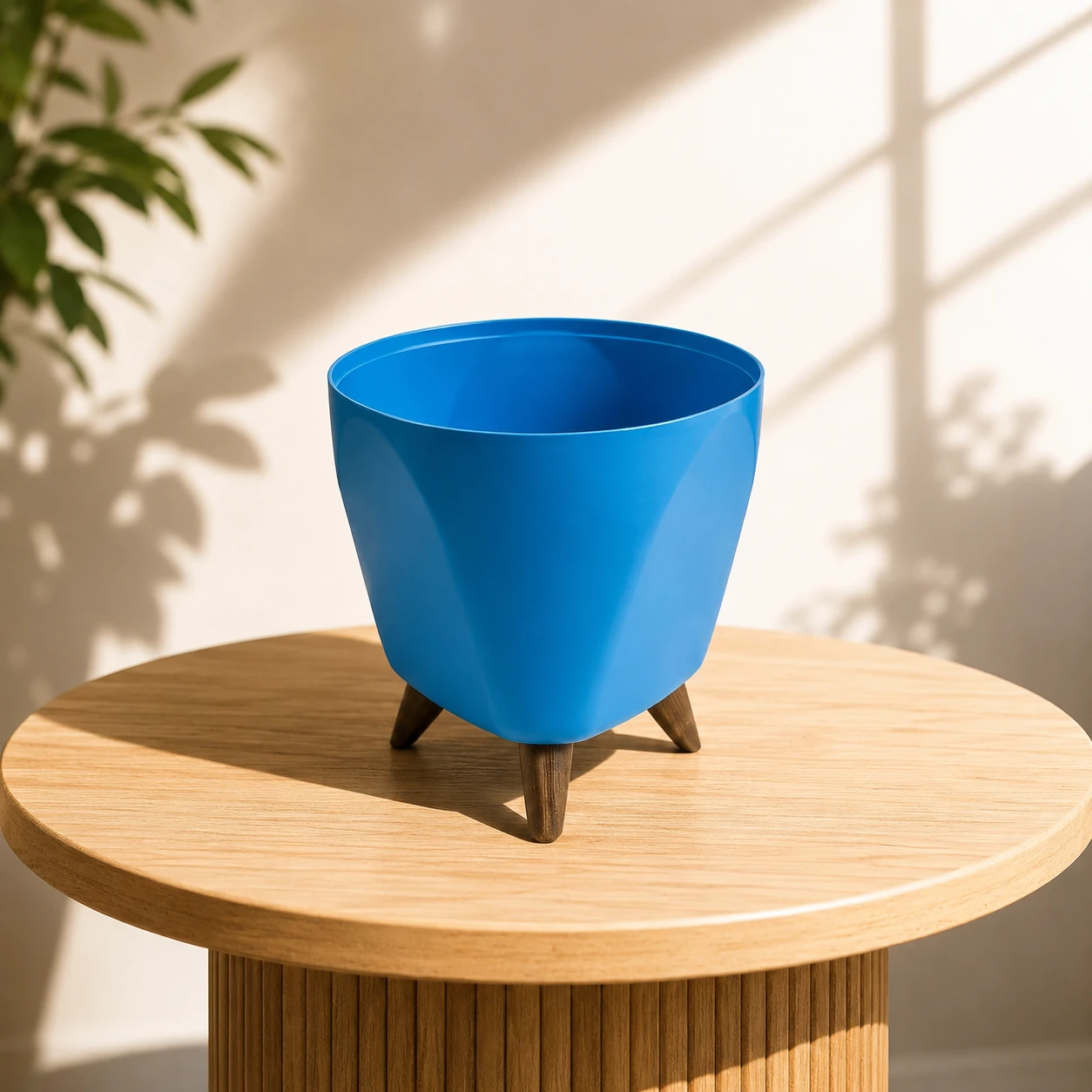
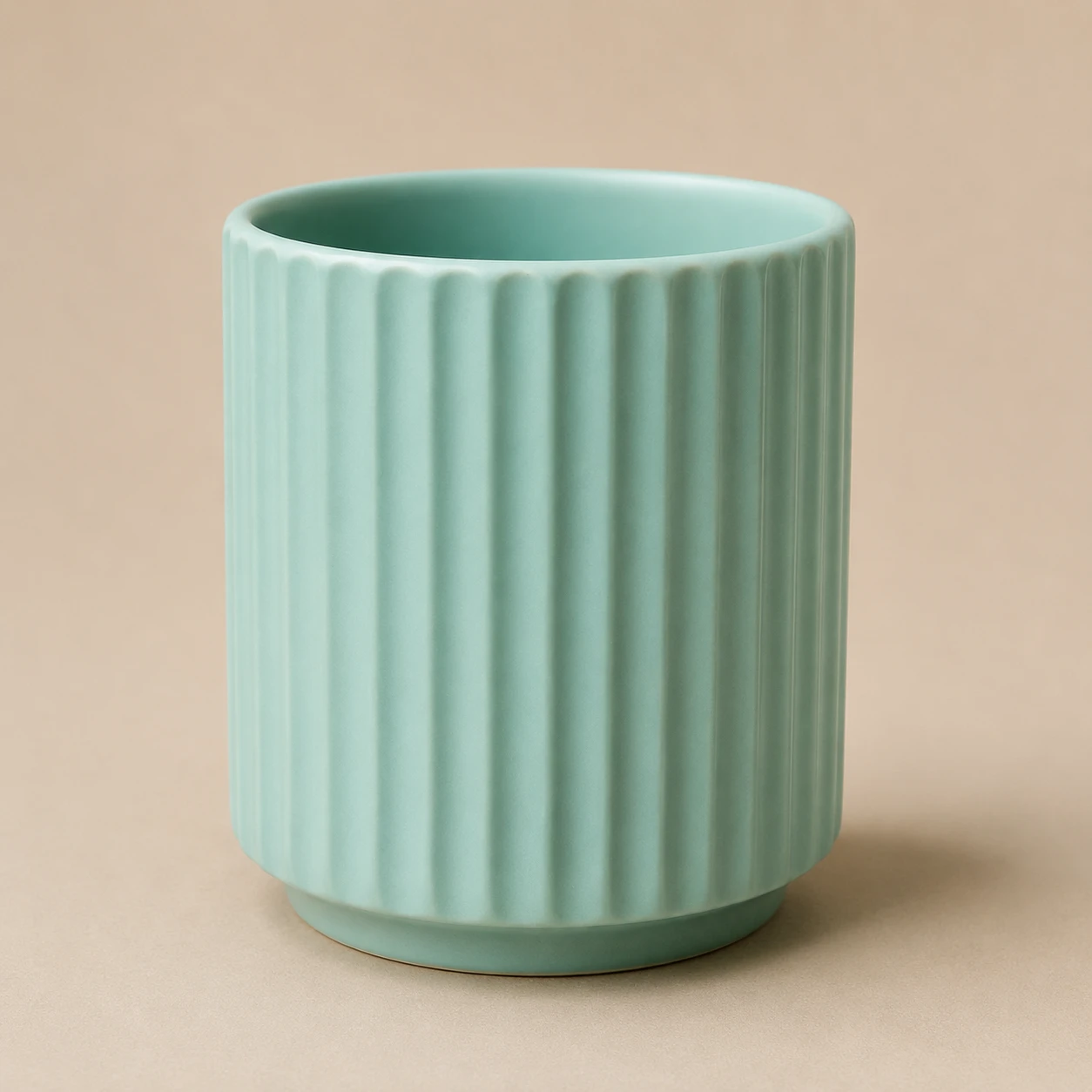
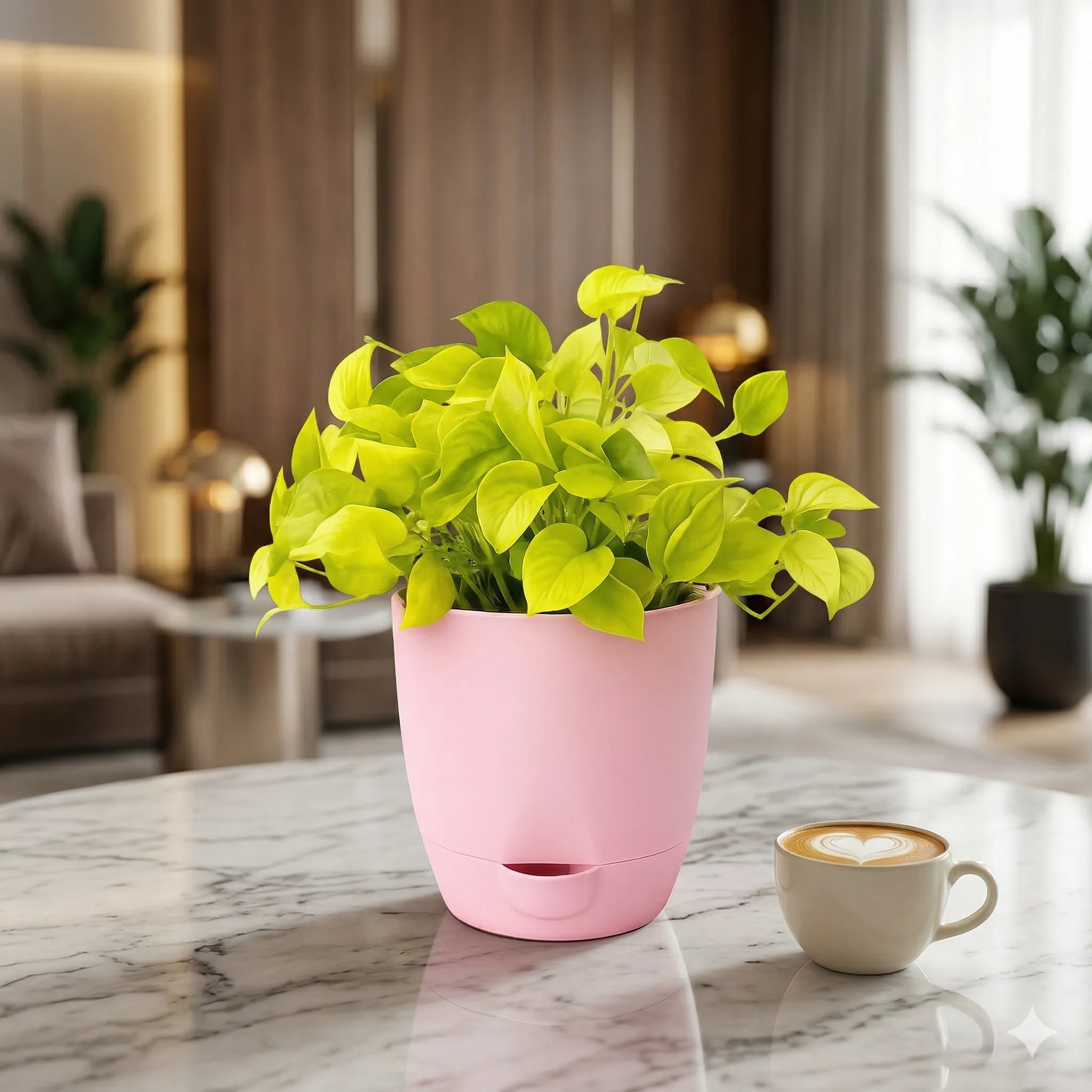
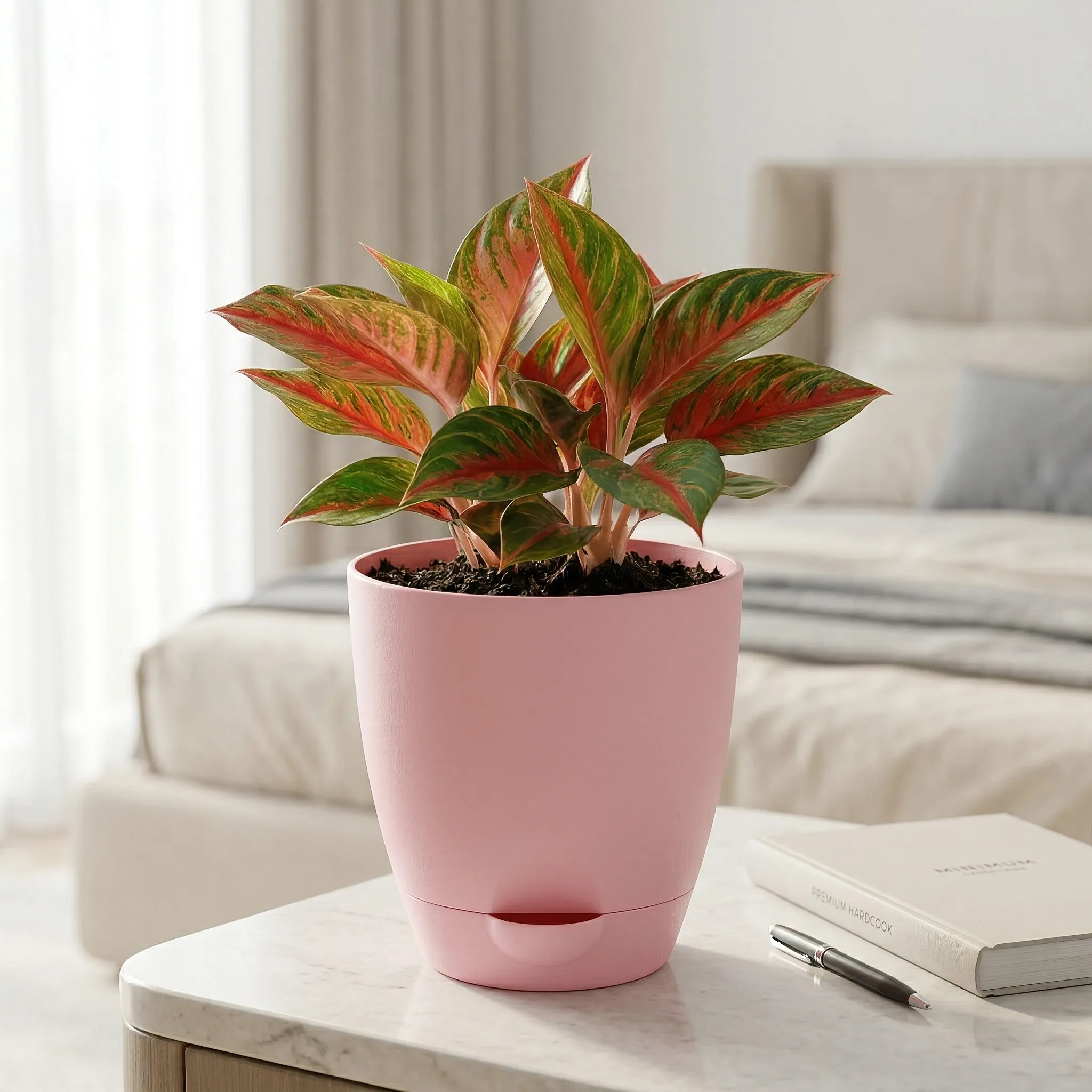
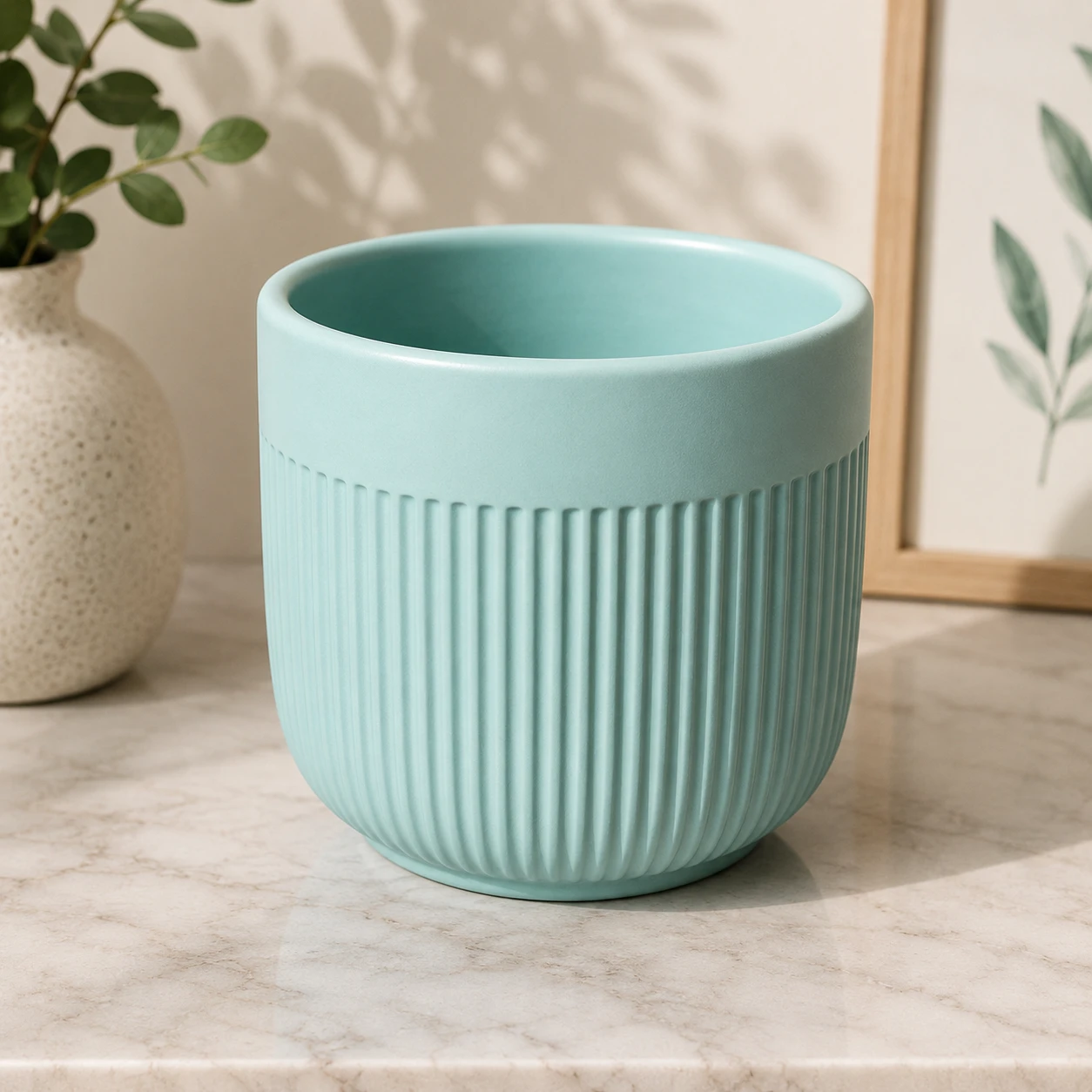
An indoor planter needs to look good in your room, but it also has to protect furniture and flooring from water stains. Unlike outdoor pots, indoor planters are often chosen for clean finishes, compact footprints and compatibility with trays or inner nursery pots. Before buying, check whether the planter is meant for direct planting or for use as a decorative outer cover.
Choosing the right size for your plant
The safest rule is to choose a planter that is slightly larger than the current root ball, not dramatically bigger. Oversized planters can hold too much wet soil around small roots, especially in apartments where sunlight and airflow may be limited. For tabletop plants, check both diameter and height so the planter does not look top-heavy or unstable.
Drainage, trays and indoor mess control
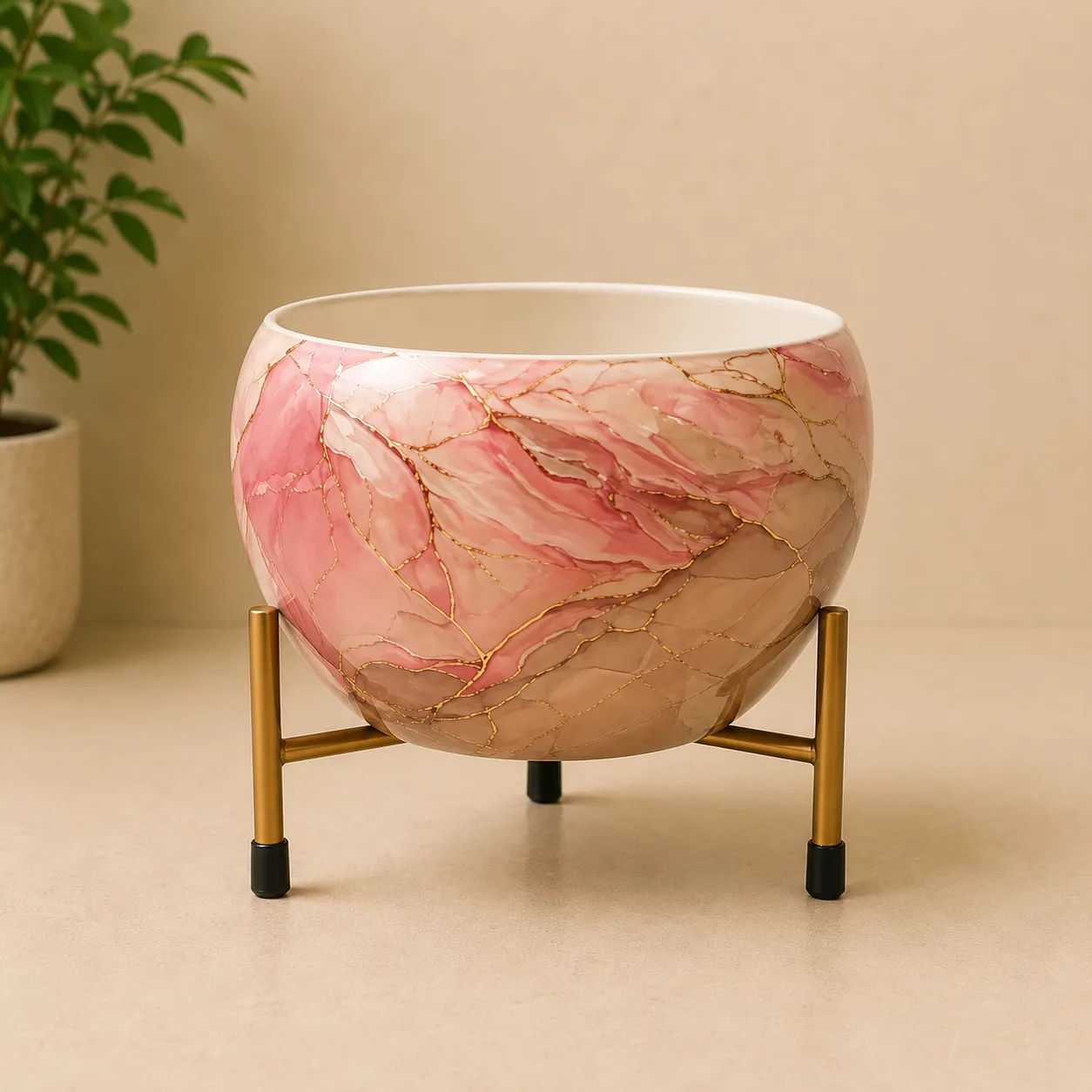
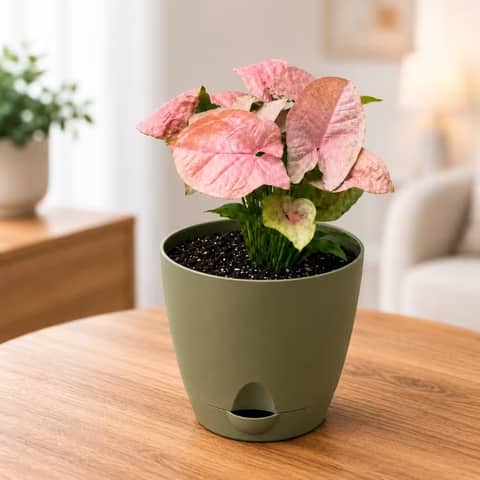
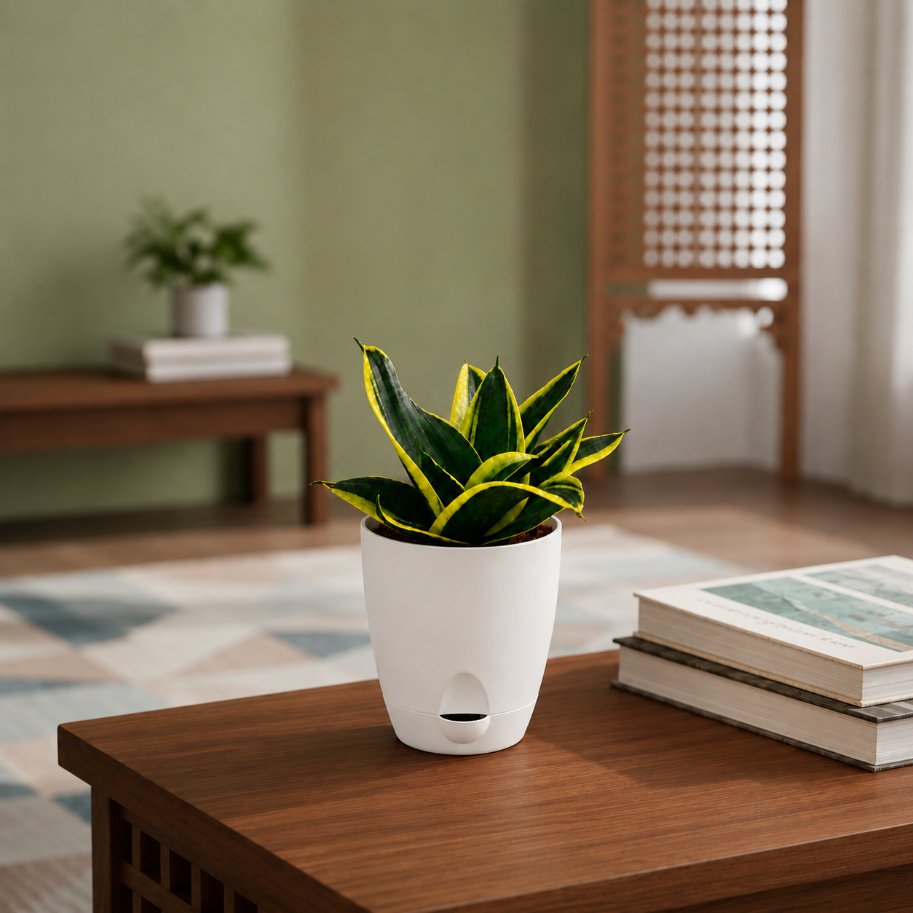
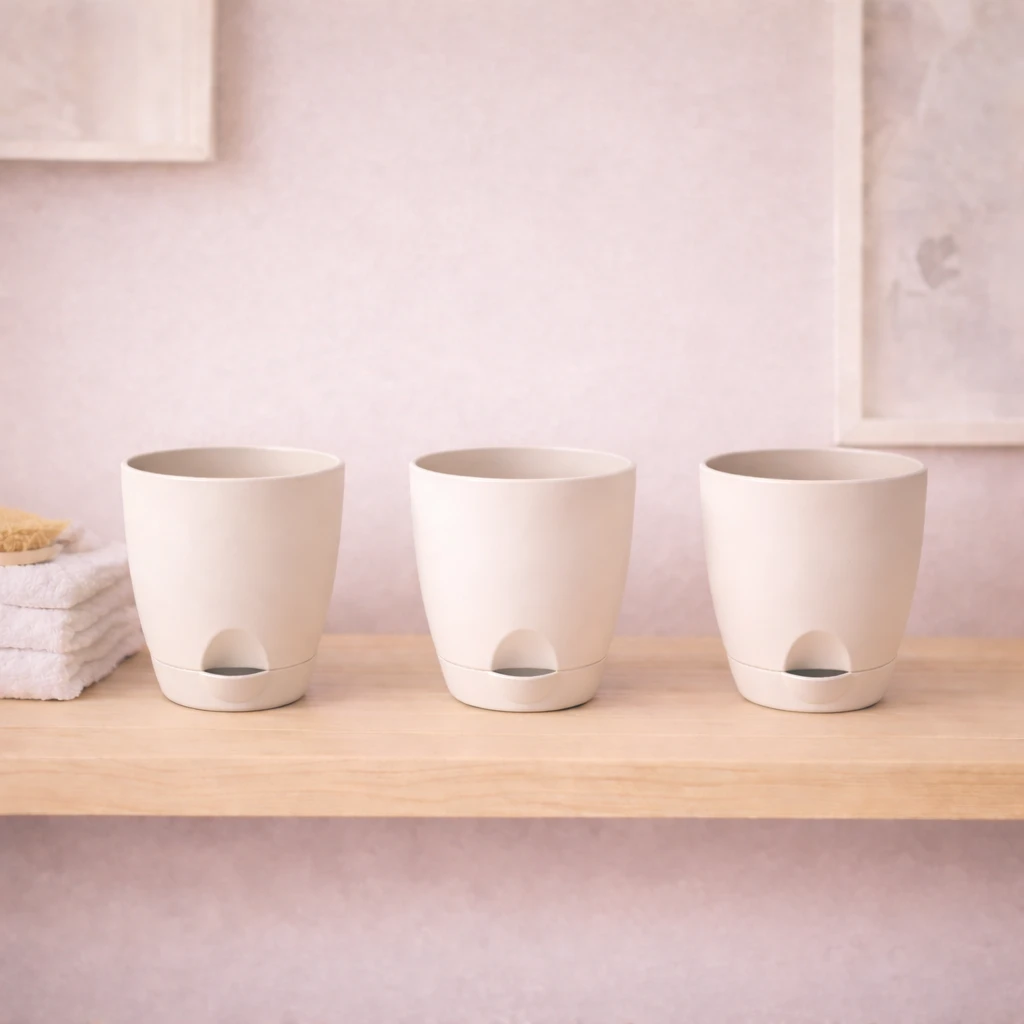
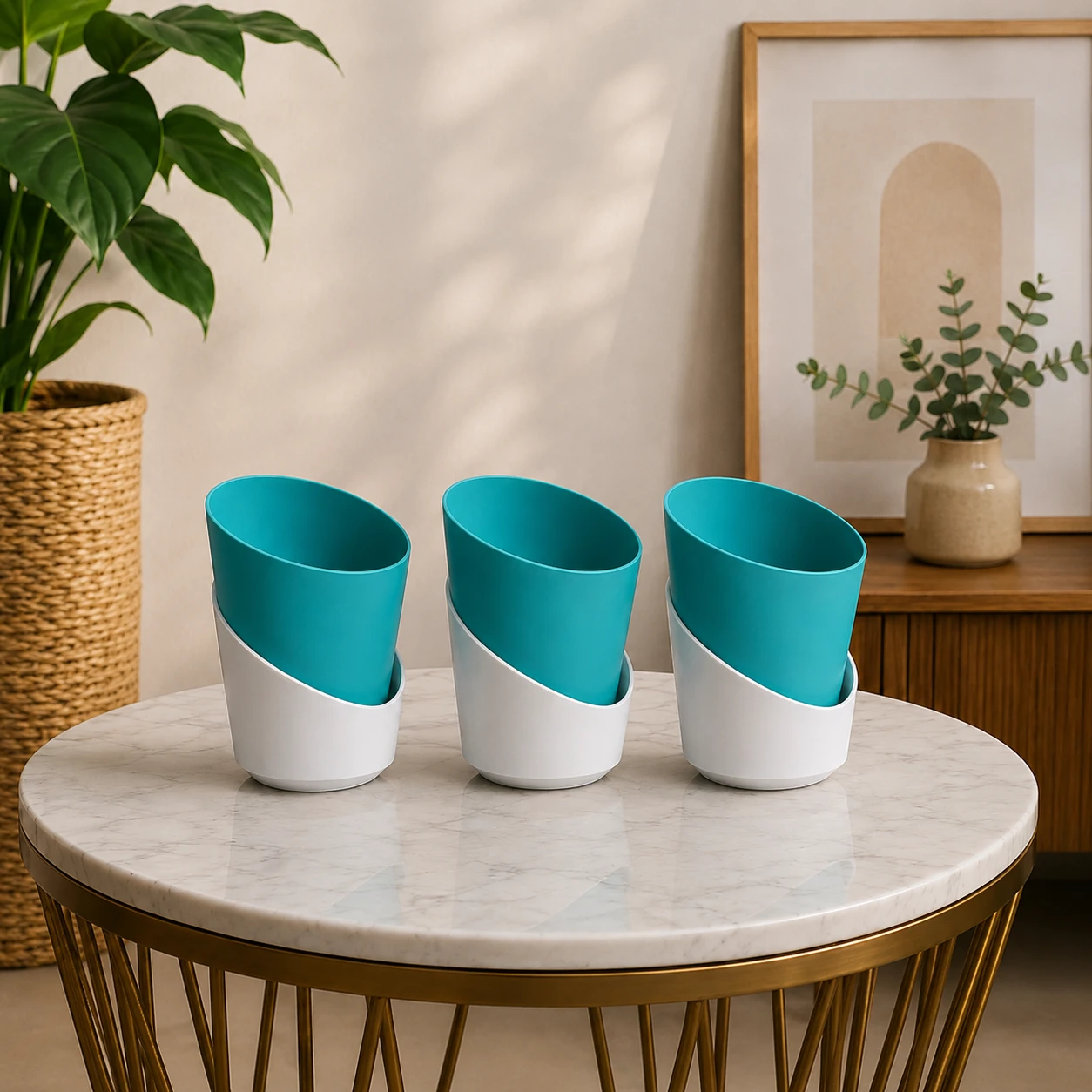
For most live plants, drainage holes are important because they prevent water from sitting at the roots. If you prefer a no-hole decorative indoor planter, use it as a cachepot and keep the plant in a grow pot inside it, removing excess water after watering. Also check whether a saucer, tray or plug is included, because that decides how safely you can place it on wooden shelves, desks or window ledges.
What to check before ordering online
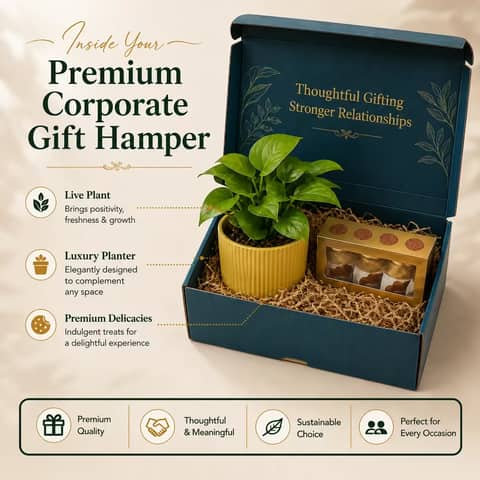
On the product page, look for material, dimensions, drainage details, colour finish and whether the plant shown in images is included or only for styling. If you are matching existing decor, compare the planter colour under natural and artificial light if multiple photos are available. For Urban Bagicha orders, read the listing carefully so you choose a planter that suits both your plant’s root needs and your room’s layout.
Frequently Asked Questions
Can I plant directly into an indoor planter without a drainage hole?
It is possible for some setups, but it is risky for most indoor plants because excess water has nowhere to go. A safer method is to keep the plant in a plastic grow pot with holes and place that inside the decorative planter.
What size indoor planter should I buy for a small plant?
Choose a planter only one size bigger than the existing pot, unless the plant has clearly outgrown its current container. A very large planter may keep the soil wet for too long and can cause root issues.
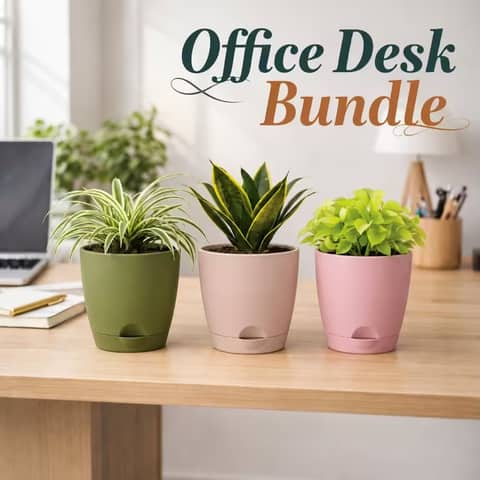
Which indoor planter is best for a desk or work table?
A compact, stable planter with a tray or a sealed base is best for desks. Avoid very tall or narrow planters for tabletop use because they can tip over easily if the plant grows unevenly.
Should the planter match the plant or the room decor?
Both matter, but plant health should come first. Choose the right size and drainage style for the plant, then select a colour and finish that works with your interiors.